
Someone sets a plate in front of you, and your throat closes. Food that used to bring you joy tastes like cardboard. You realize it’s 4 p.m. and you haven’t eaten anything but half a cup of coffee. If grief has stolen your appetite, nothing is wrong with you.
Losing your appetite is one of the most common physical signs of grief, and one of the least talked about. This guide isn’t a meal plan or a list of superfoods. It’s a gentle, realistic way to keep your body fed while your heart does the hard work of grieving, whether you lost a parent, a partner, a child, a friend, a pregnancy or a pet.
We’re health coaches, not doctors or dietitians, and this is general information. If you’ve barely eaten for several days, can’t keep fluids down or are losing weight without trying, talk to your doctor. If you’re having thoughts of harming yourself, call or text 988. For chest pain or trouble breathing, call 911.
Why grief steals your appetite
Grief isn’t only an emotion. Your body treats a major loss as a threat, and it responds the way it would to any emergency: with a surge of stress hormones like adrenaline and cortisol. That fight-or-flight response sends blood toward your heart and muscles and away from your digestive system. Digestion isn’t a priority when your brain thinks you’re in danger.
The result can show up in your gut in all kinds of ways:
- No hunger at all, or forgetting to eat until late in the day.
- Feeling full after a few bites.
- Nausea, a knot in your stomach or a tight throat.
- Food that tastes bland or wrong, even old favorites.
- Stomach pain, constipation or diarrhea.
- Heartburn, especially if you’re living on coffee.
Harvard Health notes that the stress of grief can change your appetite and sleep and make existing health conditions harder to manage. Add exhaustion, a house full of people, funeral planning and a life that suddenly has a hole in it, and it’s no surprise that meals fall away.
There’s no wrong way to eat while grieving
Not everyone loses their appetite. Some people eat much more than usual, reaching for familiar comfort foods or eating to fill quiet evenings. Others swing between the two, skipping meals all day and then eating a sleeve of cookies at midnight. All of these are common responses to loss.
Your appetite may also change over time. Many people barely eat in the first days or weeks, then find hunger returning in waves. A birthday, a holiday, a smell or the first time you cook their favorite recipe can knock it out again. That’s normal too.
So let’s set one ground rule: you don’t need to get this right. You just need to keep yourself going, gently, one small bite at a time.
- Every 3–4 hoursA few bites countRhythm
- Fluids firstWater, broth, milk or smoothiesHydrate
- Add one if you canEggs, yogurt, nut butter, cheeseFuel
- Anything beats nothingCereal for dinner is fineGrace
Lower the bar on purpose
When you’re grieving, the usual nutrition advice can feel impossible or even a little insulting. Balanced plates and colorful vegetables are lovely, but they’re not the goal right now. The goal is something, often.
Here’s what “good enough” can look like during the hardest weeks:
- A meal can be a snack. Crackers and cheese is dinner. Half a banana and a glass of milk is breakfast.
- Breakfast foods work any time. Cereal, toast, eggs and oatmeal are easy to make, easy to eat and gentle on the stomach.
- Familiar is fine. If the only thing that sounds okay is the same soup every day, eat the soup.
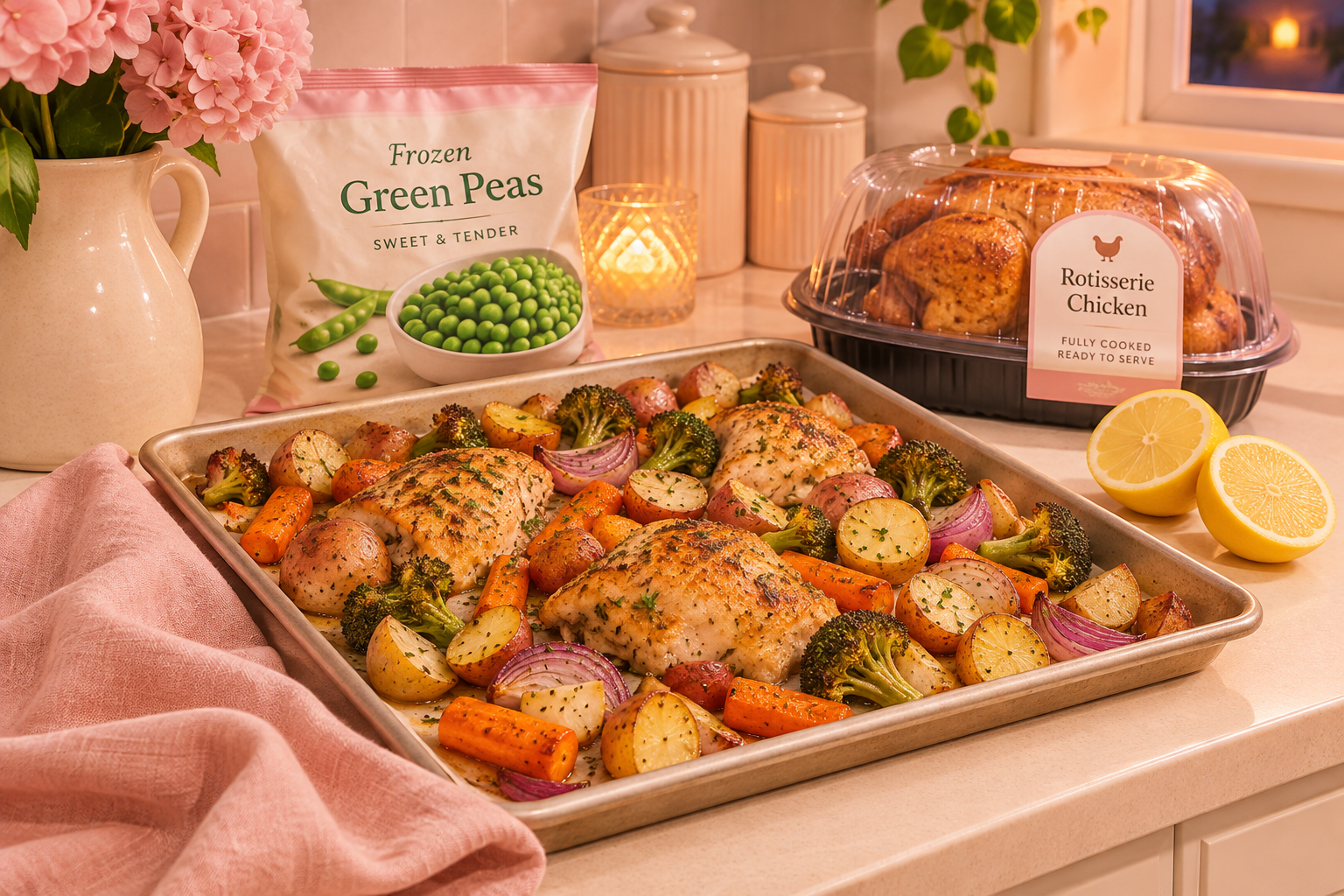
- Store-bought counts. Rotisserie chicken, frozen meals, pre-cut fruit and bagged salads are all wins.
- Paper plates are allowed. Fewer dishes means less standing in the kitchen staring at the sink.
Harvard Health’s advice for grieving people is simple: if your appetite is low, eat small portions more often. They also note that a daily multivitamin can help cover gaps while you’re eating less. Ask your doctor if that’s right for you.
Your energy menu
Grief energy changes hour to hour. Instead of planning meals, check in with yourself and pick from the level that matches how you feel right now. Every level counts.
I can only sipHardest days
Liquids count. When chewing feels impossible, drink something with calories and protein in it.
SmoothieChocolate milkBone brothReady-made protein shakeDrinkable yogurtWarm milk with honeyI can nibbleLow energy
Graze on a few bites every couple of hours. No plate, no rules, nothing to cook.
Cheese stickCrackers and peanut butterBananaHandful of nutsHard-boiled eggApplesauce pouchI can manage a small plateSome energy
Heat something someone brought you, or build a simple plate from what’s in the fridge.
Soup and toastScrambled eggsOatmeal with fruitRice and beansHalf a casserole portionYogurt bowlI can cook a littleBetter days
Make one easy thing, and make extra if you can. Future you will be grateful.
Sheet-pan chicken and veggiesPasta with jarred sauce and spinachQuesadillasEgg fried riceBaked potato barBig pot of chili
On the hardest days, aim for the first two levels a few times. On better days, try to cook a little extra so the next hard day already has something waiting. Our 10-minute dinner rotation has easy ideas for when you’re ready, and our list of one-handed snacks works just as well for anyone who can’t face a full plate.
A grief-friendly pantry
Decision fatigue is real in grief. Opening the fridge and having to figure out a meal can feel like too much. A few no-cook, no-decision staples make it easier to eat something without thinking. If a friend asks how they can help, hand them this list.
- 🥛No chewingDrinkable nutrition
Protein shakes, kefir, drinkable yogurt, shelf-stable milk and boxed broth.
- 🥜Grab and goEasy protein
Nut butter, cheese sticks, hard-boiled eggs, canned tuna, rotisserie chicken and Greek yogurt cups.
- 🍚Easy on the stomachGentle carbs
Crackers, toast, instant oatmeal, rice cups, bagels and plain pasta.
- 🍌Grab and eatFruit that needs no prep
Bananas, clementines, applesauce pouches, grapes and frozen berries for smoothies.
- 🥣WarmComfort in a can
Soups you actually like, chili and microwave meals you can heat in minutes.
- 🧊Future youFreezer backups
Frozen waffles, veggie burgers, burritos, dumplings and a couple of frozen dinners.
When you can only sip
Some days, chewing feels like too much effort, or your throat feels tight. On those days, liquids can carry you. Drinks with calories and protein in them do far more for your body than coffee or water alone.
- A simple smoothie: a banana, a handful of frozen berries, a spoonful of nut butter and a cup of milk or yogurt. Freeze extra in jars.
- Ready-made protein shakes are worth keeping in the fridge. Many have 15 to 30 grams of protein.
- Warm drinks: broth, hot chocolate made with milk or a mug of warm milk with honey before bed.
- Electrolyte drinks can help if you’ve been crying a lot, sweating or not drinking enough. Our comparison of Liquid IV, LMNT and DripDrop breaks down the options.
- Water you’ll actually drink. If plain water feels like a chore, try one of our infused water ideas.
Keep a water bottle near wherever you spend the most time, whether that’s the couch, your bed or the car. Dehydration can make the headaches, fatigue and brain fog of grief feel even worse.
Eating by the clock, not by hunger
When grief mutes your hunger signals, waiting until you feel hungry might mean waiting all day. It can help to let a clock do the remembering for you.
- Set gentle phone reminders every three to four hours. Name them something kind, like “a few bites for you.”
- Pair food with something you already do. A snack with your morning coffee, a few bites when you take your medicine or a glass of milk when you get in bed.
- Put food where you’ll see it. A bowl of clementines on the counter or a box of crackers by the couch.
- Ask a friend to text you at lunchtime. “Did you eat something?” is a small question that can make a big difference.
If routines feel impossible right now, our guide to building routines when life is unpredictable has ideas for anchoring a few small habits to things that already happen each day.
When your stomach is upset
Grief can make your stomach feel sick, tight or unsettled. A few gentle approaches may help:
- Choose bland, simple foods like toast, crackers, rice, bananas, applesauce and plain chicken when your stomach is queasy.
- Try ginger or peppermint tea, which many people find soothing.
- Eat slowly and sit upright for a while after eating, especially if you have heartburn.
- Take a few slow belly breaths before you eat. Calming your body can make it easier to digest.
- Go easy on coffee on an empty stomach, since it can make nausea and heartburn worse.
- Add fiber gently. If you’re constipated, fruit, oatmeal and plenty of fluids can help. Our fiber guide has easy ideas.
If you have ongoing vomiting, severe stomach pain, blood in your stool or digestive problems that last more than a couple of weeks, check in with your doctor.
If you’re eating more, not less
For some people, grief brings a pull toward food instead of away from it. Food can be comforting, familiar and one of the few things that feels good right now. Late nights can be especially hard, when the house is quiet and the loss feels loudest.
There’s no shame in that. If you’d like to feel steadier, a few gentle ideas:
- Eat regular meals during the day, so you’re not running on empty by evening.
- Pause and ask what you need. Sometimes it’s food. Sometimes it’s rest, a cry, a call to a friend or a hug.
- Pair comfort foods with something nourishing. Ice cream with berries or mac and cheese with peas.
- Plan for the hardest hour. If evenings are rough, line up a phone call, a walk or a show you love.
If eating starts to feel out of control, or you’re restricting, bingeing or purging, please reach out to your doctor or a mental health professional. Grief can bring up old struggles with food, and you deserve support.
Eating alone after losing your person
If you lost a partner, a parent you lived with or anyone you shared meals with, the table itself can become one of the hardest places in the house. Cooking for one can feel pointless. An empty chair can make it hard to sit down at all.
Research backs this up. In one study of recently widowed older adults, those who’d lost a spouse lost more weight than married peers, ate more meals alone and enjoyed eating less. A review of bereavement research found strong evidence linking loss of a spouse to nutrition problems and unplanned weight loss in older adults.
A few ideas from grief counselors and from women who’ve been there:
- 🪑New viewChange your seat
Sit somewhere different, eat by a window or move a meal to the porch.
- 📞CompanyEat with someone, virtually
A video call with a friend or sibling while you both eat dinner.
- 🎵SoundFill the silence
Music, a podcast or the radio can make the quiet feel less heavy.
- 🥣For oneCook in small batches
Make two or three portions, then freeze the rest in single servings.
- 🌸RememberingMake a small ritual
Light a candle, cook their favorite dish on their birthday or say a few words before eating.
- 👥CommunitySay yes to invitations
Even if you don’t stay long. A shared meal is nourishing in more ways than one.
If you’ve lost a spouse, our widow support circle is a gentle place to connect with women who understand the empty chair.
What to do with all that food
In the first days after a loss, food often pours in. Then, after a couple of weeks, the calls and casseroles usually slow down, right around the time the reality of the loss tends to sink in. A little planning can stretch that early generosity into the harder weeks ahead.
- Freeze in single portions. Split big dishes into small containers so you can heat one at a time.
- Label everything with the dish name and date. Grief brain is real.
- Ask a friend to manage it. Someone else can sort the fridge, freeze the extras and return dishes.
- Give yourself permission to say no. It’s okay to tell people you’re set for now and would love a meal in a month instead.
- Use a meal train to space out deliveries over several weeks instead of all at once.
For the people who want to help
If you’re reading this for someone you love, thank you. Food is one of the most practical ways to show up for a grieving friend. A few swaps can make your help even easier to receive:
Instead of“Let me know if you need anything.”→“I’m dropping off soup Tuesday. Leave the porch light on.”Instead ofA giant lasagna that feeds 12→Single portions she can freeze and heat one at a timeInstead ofOnly showing up the first week→Setting a reminder to bring something in week four, six and tenInstead of“You have to eat.”→“I made toast. Want half?”Instead ofWaiting to be asked→Sending a grocery delivery with snacks you know she likesInstead ofEating in silence→Sitting with her at dinner, even if you barely talk
Most of all, keep showing up. The second and third months after a loss are often lonelier than the first week. A text, a snack drop-off or a walk together means a lot when everyone else has gone back to normal life. Our guide to grief and why it hits so hard has more on supporting someone through loss.
Coffee, wine and sleep
When you’re exhausted and heartbroken, it’s natural to lean on coffee to get through the day and a glass of wine to get through the night. A few gentle notes:
- Coffee on an empty stomach can make nausea, jitters and heartburn worse. Try having it with a few bites of something.
- Alcohol can feel like it takes the edge off, but it disrupts sleep and can deepen low mood the next day. Research on older bereaved adults has found links between loss and increased drinking, so it’s worth keeping an eye on.
- Sleep and appetite go together. Poor sleep can throw off hunger hormones. A light snack before bed, like warm milk or toast with nut butter, may help you settle.
If you find you’re relying on alcohol or sleep aids to get through each day, talk to your doctor. That’s a sign you deserve more support, not a failing.
A little movement
Gentle movement won’t fix grief, but it can help your body feel a little more like yours. A short walk can ease tension, help with digestion and sometimes even nudge your appetite back. Fresh air and daylight can help with sleep too.
Start small: a walk around the block, a slow stretch in the morning or a stroll with a friend who doesn’t need you to talk. Our guide to walking for mental health has easy ways to begin.
When to call your doctor
Have eaten very little for several days. Can’t keep food or fluids down. Are losing weight without trying, especially if you’re older or already small. Feel dizzy, weak or faint. Have ongoing stomach pain, vomiting or changes in your bowels. Rely on alcohol, sleep aids or other substances to get through each day. Have a medical condition like diabetes, where skipping meals can be risky. Call 911 for chest pain or trouble breathing. Intense grief can rarely trigger broken heart syndrome, which feels like a heart attack. If you’re thinking about harming yourself, call or text 988.
It’s also worth knowing when grief may need more support. For most people, grief softens slowly over time, even if it never fully goes away. The American Psychiatric Association estimates that 7% to 10% of bereaved adults develop prolonged grief disorder, where intense longing and daily struggles continue a year or more after a loss. Grief that overlaps with depression, including hopelessness or not being able to function, also deserves care. Effective treatment is available, and grief counselors, therapists and support groups can all help.
Myths about food and grief
- Myth #1What you might have heard
If you’re not hungry, your body doesn’t need food.
What’s actually trueGrief can mute hunger signals while your body still needs fuel. Low appetite isn’t the same as low need.
- Myth #2What you might have heard
You should be eating “healthy” right now.
What’s actually trueRight now, eating something beats eating nothing. Toast, cereal or a milkshake is a win on a hard day.
- Myth #3What you might have heard
Comfort eating means you’re not coping.
What’s actually trueReaching for familiar food is a very human response to loss. Be curious about it, not cruel.
- Myth #4What you might have heard
Losing weight from grief is a silver lining.
What’s actually trueUnplanned weight loss during grief is your body under strain, not a goal reached. It’s worth gentle attention.
- Myth #5What you might have heard
Eating should feel normal again after the funeral.
What’s actually trueAppetite can stay off for weeks or months, and it often comes back in waves. Anniversaries and holidays can knock it out again.
- Myth #6What you might have heard
Enjoying a meal means you’re moving on too fast.
What’s actually trueYou can miss someone deeply and still taste your food. Pleasure isn’t a betrayal.
Your turn
You don’t need a plan. You just need a next bite. Here are a few small things to try this week:
- Set two phone reminders a day to eat a few bites of something.
- Stock three no-cook foods you can grab without thinking.
- Keep a water bottle where you spend the most time.
- Tell one friend what kind of food help would actually help.
- Eat one meal somewhere different, or with someone, even over video.
Feeding yourself during grief isn’t about willpower or perfect nutrition. It’s a small act of care for a body that’s carrying something enormous. Some days that will be a full plate. Some days it will be a smoothie and a few crackers. Both are enough.
Caring for yourself isn’t forgetting the person you lost. You can love them and still feed yourself. They’d want you to.
Sources
- Harvard Health Publishing: A guide to getting through grief
- Harvard Health Publishing: Grieving? Don’t overlook potential side effects
- Harvard Health Publishing: Getting stuck in long-term grief
- American Psychiatric Association: Prolonged grief disorder
- AtaLoss: Why we can’t stomach food when we lose a loved one
- WebMD: How grief can affect your health
- Psychology Today: The role of food in grief and how we can help
- TAPS (Tragedy Assistance Program for Survivors): Eating to live or living to eat?
- Shahar et al., Journal of Aging and Health (2001): The effect of widowhood on weight change, dietary intake and eating behavior in the elderly population
- Stahl & Schulz, Social Science & Medicine (2014): Changes in routine health behaviors following late-life bereavement: a systematic review
- Vesnaver et al., The Gerontologist (2016): Food behavior change in late-life widowhood
- Vesnaver et al. (2018): Commensality and food behavior in widowed older women
- Harvard Health Publishing: Grief can hurt in more ways than one
This article is for general information and isn’t medical advice. Talk with your doctor or midwife about what’s right for you.
- Grief
- Nutrition
- Loss of appetite
- Self-care
- Emotional health
Find your strength. Find your girls.
Tell us a little about what you’re going through and what kind of support would feel good right now. We’ll reply within two business days.
Questions
Good questions.
Is it normal to lose your appetite when grieving?
Yes. Loss of appetite is one of the most common physical signs of grief. Grief triggers a stress response that slows digestion and can mute hunger signals, cause nausea or make you feel full quickly.
How long does loss of appetite last after a death?
It varies. Many people eat very little in the first days or weeks, then find their appetite returns gradually or in waves. If you’re still struggling to eat after a few weeks, or you’re losing weight without trying, talk to your doctor.
What should I eat when grieving and not hungry?
Small, easy foods often work best: smoothies, protein shakes, soup, toast, yogurt, eggs, crackers with cheese or nut butter and fruit like bananas. Eating a few bites every three to four hours can be easier than full meals.
Can grief make you feel sick to your stomach?
Yes. Stress hormones released during grief can cause nausea, stomach pain, heartburn, constipation or diarrhea. Bland foods, ginger tea, slow breathing and eating small amounts can help. See a doctor if symptoms are severe or last more than a couple of weeks.
Is it normal to overeat when grieving?
Yes. Some people eat more while grieving, often reaching for comfort foods. Regular meals during the day and other forms of comfort, like calling a friend or taking a walk, can help. Reach out for help if eating starts to feel out of control.
Should I take a vitamin while grieving?
Harvard Health notes that a daily multivitamin can help cover missing nutrients when your appetite is low. Ask your doctor or pharmacist what’s right for you, especially if you take other medications.
How can I help a grieving friend eat?
Offer specific help, like dropping off single-serving meals, easy snacks or groceries. Sit with them while they eat, and keep checking in for weeks and months after the loss, not just the first few days.
When is weight loss from grief a concern?
Talk to your doctor if you’re losing weight without trying, have barely eaten for several days, can’t keep fluids down or feel dizzy and weak. Older adults who’ve lost a spouse are at higher risk of unplanned weight loss.
When should I get help for grief?
Reach out anytime you feel you need support. It’s especially important if you can’t function day to day, feel hopeless, have thoughts of harming yourself or still feel intense, constant grief a year after the loss. Call or text 988 if you’re in crisis.
 Friendship
 Nutrition
 Mind & mood