Protein is everywhere right now. It’s in your coffee, your cereal, your chips and every other post on your feed. Some people swear you need a gram per pound. Others say the government minimum is plenty. And the official advice itself changed in 2026. So how much protein do women actually need?
This guide breaks down the real numbers, where they come from, how your needs change through pregnancy, breastfeeding and menopause, how much protein is in everyday foods and how to hit your target without living on shakes. There’s a quick calculator too.
We’re health coaches, not doctors or dietitians, and this is general information, not medical advice. If you’re pregnant, breastfeeding, have kidney disease, diabetes or another health condition, or have a history of disordered eating, talk to your doctor or a registered dietitian about what’s right for you.
The short answer
- 📏RDAThe minimum: 0.8 g/kg
The Recommended Dietary Allowance is 0.8 grams per kilogram of body weight per day, which is about 46 grams for the average adult woman. It’s the amount needed to avoid deficiency, not necessarily the ideal.
- 🍎2025–2030 Dietary GuidelinesThe new guidelines: 1.2–1.6 g/kg
The newest Dietary Guidelines for Americans, released in January 2026, recommend 1.2 to 1.6 grams of protein per kilogram of body weight per day and prioritizing protein at every meal.
- 🏋️Active womenIf you lift: 1.4–2.0 g/kg
The International Society of Sports Nutrition says 1.4 to 2.0 grams per kilogram per day is enough for most people who exercise regularly to build and maintain muscle.
- 🍽️Every mealSpread it out
Aim for a solid serving of protein at each meal rather than saving most of it for dinner.
For a 150-pound woman (about 68 kilograms), that works out to roughly 55 grams at the RDA minimum, about 82 to 109 grams under the new guidelines and roughly 95 to 136 grams if she’s strength training regularly.
To convert your weight to kilograms, divide your weight in pounds by 2.2. Or just use the calculator below.
Estimate your number
🧮 Quick protein estimate
Enter your weight and pick the option that fits you best. This is an estimate for general information, not a personal prescription.
Based on grams per kilogram of body weight. If you have a larger body, kidney disease or another health condition, a registered dietitian may calculate your needs differently.
Why protein matters for women
Protein isn’t just for bodybuilders. It’s a building block for almost everything in your body:
- 💪StrengthMuscle
Protein helps you build and keep muscle, especially when paired with strength training. Muscle matters for metabolism, blood sugar, balance and everyday strength like carrying kids and groceries.
- 🦴Bone healthBones
Protein is part of your bone structure and works together with calcium, vitamin D and strength training to support bone health.
- 🥣AppetiteFullness
Protein tends to keep you fuller for longer than many carbohydrates, which can help with steady energy and fewer mid-afternoon crashes.
- 🩹HealingRepair and recovery
Your body uses protein to repair tissue after workouts, injuries, surgery and childbirth.
- 🦠DefenseImmune system
Antibodies and many immune cells are made from protein.
- 💇StructureHair, skin and nails
Keratin and collagen are proteins, so getting enough helps support healthy hair, skin and nails.
Protein becomes even more important as we get older. Women tend to lose muscle with age, and that loss can speed up after menopause. Eating enough protein and doing regular strength training are two of the best tools for protecting muscle, strength and independence for the long haul.
Where the numbers come from
Why do you see so many different protein numbers? Because they answer different questions.
- The RDA (0.8 g/kg) was set by the National Academies as the amount that meets the needs of nearly all healthy adults to prevent deficiency. It’s a minimum, and it was not designed around building muscle or aging well.
- The 2025–2030 Dietary Guidelines (1.2–1.6 g/kg) raised the bar. The guidelines were released on January 7, 2026, and recommend prioritizing protein at every meal. Harvard’s nutrition experts noted this is 50% to 100% more than what was previously recommended, and some questioned whether every adult needs that much. The RDA itself hasn’t changed.
- Sports nutrition guidelines (1.4–2.0 g/kg) are aimed at people who exercise regularly, especially those doing strength training.
- Healthy aging recommendations (1.0–1.2 g/kg and up) come from experts who study muscle loss in older adults.
The takeaway: the RDA is the floor, not the goal. Most active women will feel and perform better somewhere above it. But you don’t need to obsess over hitting an exact number every day. Consistency matters more than perfection.
How your needs change by life stage
- 🤰71 g/day RDAPregnancy
The RDA rises to 71 grams per day (about 1.1 g/kg) during pregnancy to support your baby’s growth and the changes in your own body. Some research suggests needs may be higher later in pregnancy. Ask your OB, midwife or a dietitian what’s right for you.
- 🤱71 g/day RDABreastfeeding
The RDA is also 71 grams per day while breastfeeding, or about 1.3 g/kg. If you’re nursing and always starving, protein-rich snacks can help.
- 🌱HealingPostpartum recovery
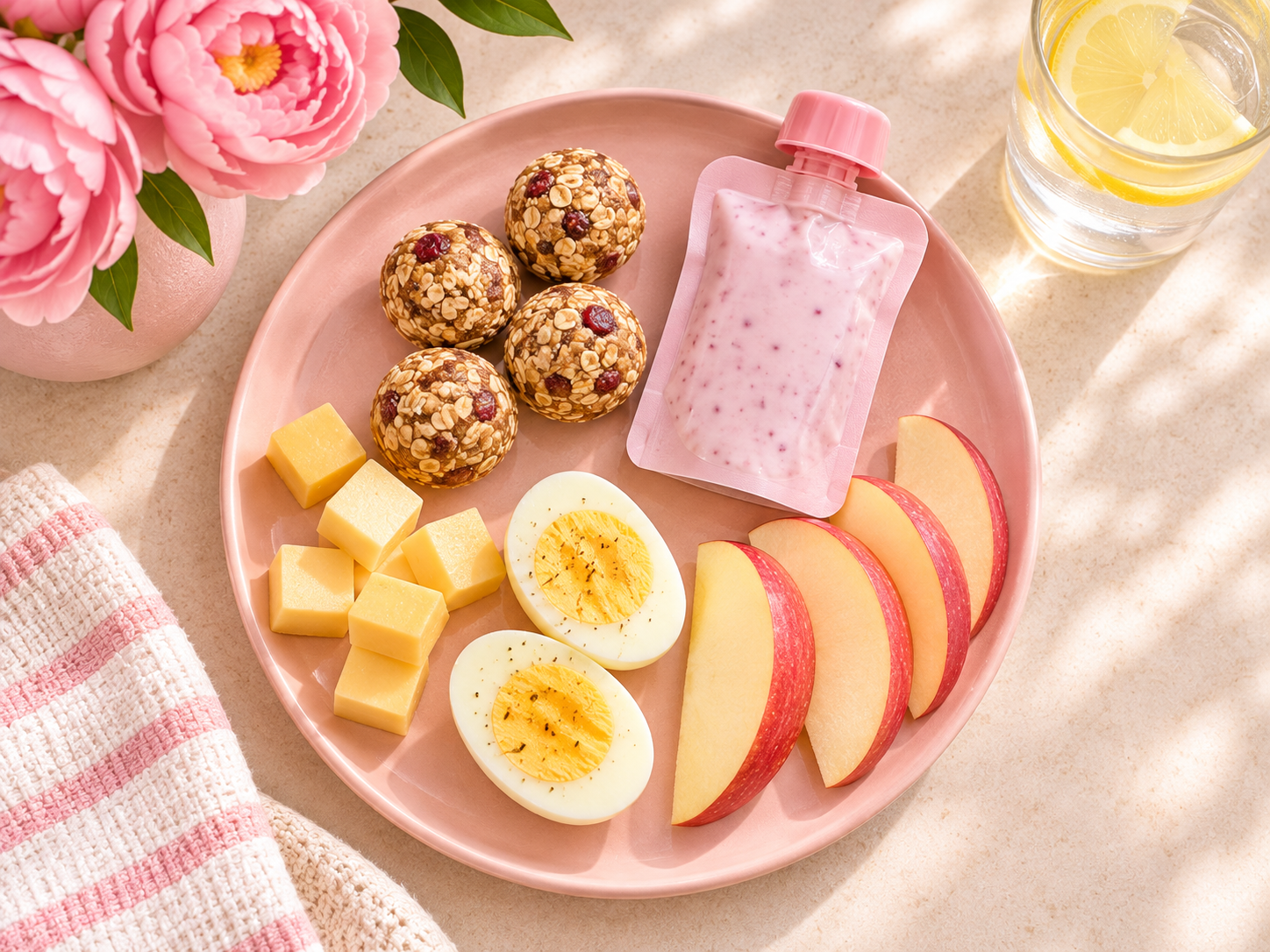
Whether or not you breastfeed, your body is healing from birth. Regular meals with protein, plus easy snacks, can support recovery and energy. Our one-handed snacks are made for this season.
- 🏋️♀️1.4–2.0 g/kgActive and strength training
If you lift weights or train hard several times a week, aim toward the higher end, especially if you’re trying to build muscle.
- 🌼1.0–1.6 g/kgPerimenopause and menopause
Experts on healthy aging recommend at least 1.0 to 1.2 g/kg for older adults, and more for those who are active or losing weight. Pair it with strength training. Our perimenopause guide has more on this season.
- ⚖️Protect muscleLosing weight
When you eat fewer calories, getting enough protein and strength training helps you hold on to muscle so more of what you lose is fat.
How much per meal
Your body uses protein best when you spread it out. The International Society of Sports Nutrition suggests about 0.25 grams of high-quality protein per kilogram of body weight per meal, or roughly 20 to 40 grams, to support muscle building.
For most women, that looks like about 25 to 35 grams at each meal, plus a protein-rich snack or two if needed.
The most common pattern we see in our coaching clients is a light breakfast (coffee and toast), a so-so lunch and a big protein-heavy dinner. Shifting some of that protein to breakfast and lunch can make a real difference in energy and fullness.
Signs you might want more protein
True protein deficiency is uncommon in the U.S. But many women eat less protein than would be ideal for their goals, especially at breakfast and lunch. Some clues that it may be worth looking at your protein (along with your overall eating, sleep and stress):
- You’re hungry again an hour or two after meals.
- You hit an energy crash and sugar cravings every afternoon.
- You’re strength training but not seeing progress over several months.
- You feel weaker or recover slowly after workouts.
- Most of your meals are mainly carbs, like toast, pasta, crackers or cereal, with little protein alongside.
Each of these can have many other causes, from poor sleep to thyroid problems to simply not eating enough overall. If something feels off, especially fatigue, hair loss or frequent illness, check in with your doctor rather than assuming it’s protein.
How much protein is in food
These are approximate amounts. Exact numbers vary by brand, cut and preparation, so check nutrition labels when you can.
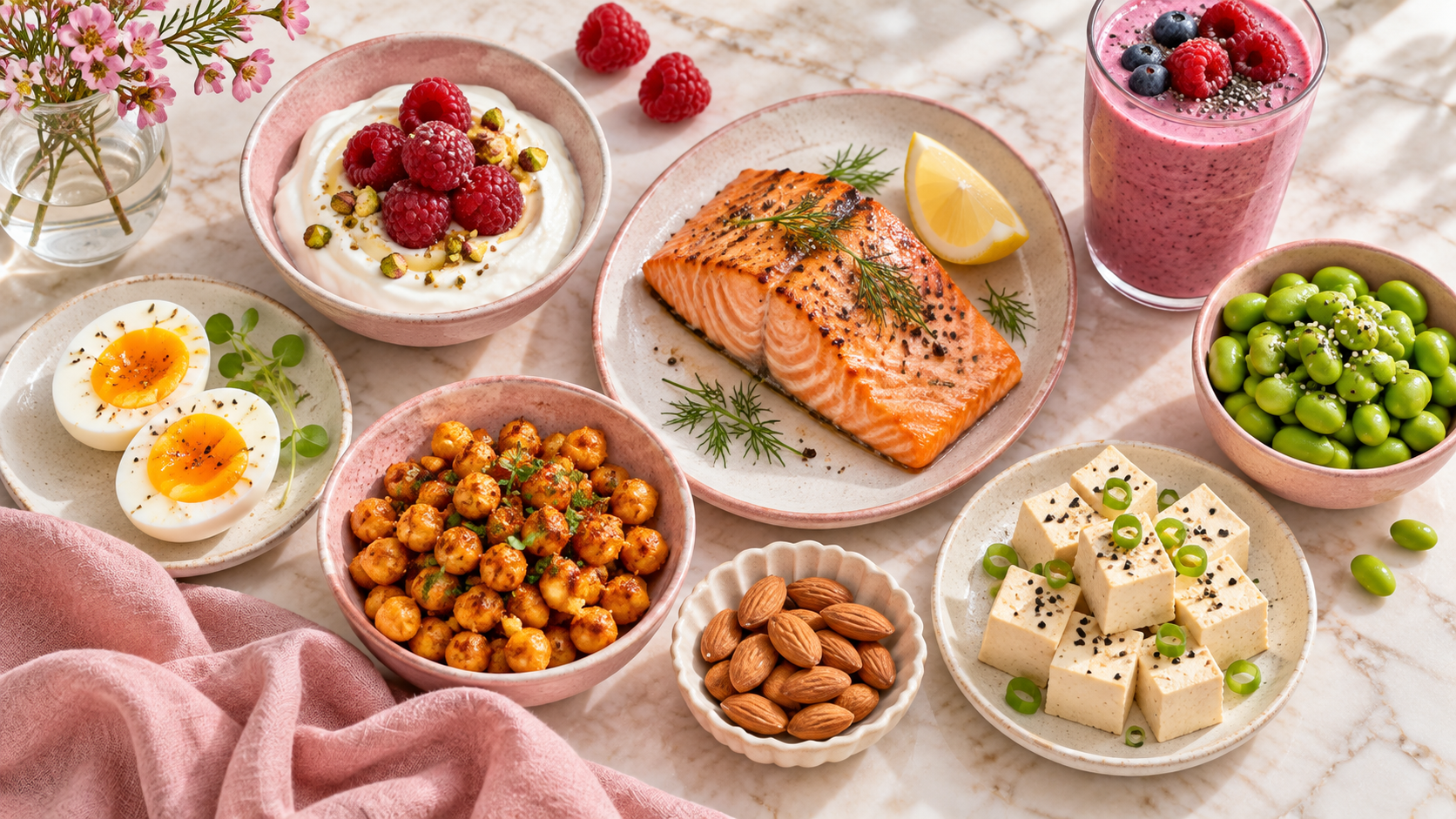
🍗 Animal sources
- Chicken breast, 3 oz cookedabout 26 g
- Lean steak, 4 oz cookedabout 33 g
- Salmon, 3 oz cookedabout 22 g
- Canned tuna, 3 ozabout 20 g
- Plain Greek yogurt, 3/4 cupabout 15–18 g
- Cottage cheese, 1/2 cupabout 12–14 g
- Eggs, 2 largeabout 12 g
- Milk, 1 cupabout 8 g
- Cheese, 1 ozabout 6–7 g
🌱 Plant sources
- Lentils, 1 cup cookedabout 18 g
- Edamame, 1 cup shelledabout 17–18 g
- Firm tofu, 1/2 cupabout 10–20 g (varies by brand)
- Black beans, 1 cup cookedabout 15 g
- Tempeh, 3 ozabout 15–17 g
- Peanut butter, 2 tbspabout 7–8 g
- Quinoa, 1 cup cookedabout 8 g
- Almonds, 1 ozabout 6 g
- Chia or hemp seeds, 2 tbspabout 4–6 g
Plant proteins often come with a bonus: fiber. Harvard’s nutrition experts point out that a cup of cooked lentils has about 18 grams of protein and 15 grams of fiber, with virtually no saturated fat.
Does the type of protein matter?
Protein is made of building blocks called amino acids. Nine of them are “essential,” meaning your body can’t make them, so they have to come from food.
- Complete proteins contain all nine essential amino acids in good amounts. Most animal proteins (meat, fish, eggs, dairy) are complete, and so are soy foods like tofu, tempeh and edamame.
- Many plant proteins are lower in one or more essential amino acids. That’s not a problem if you eat a variety of them over the day. Beans plus grains, hummus plus pita and peanut butter on whole-grain toast all work together.
- Leucine is an amino acid that helps switch on muscle building. The ISSN suggests each protein serving contain roughly 700 to 3,000 milligrams of it. Dairy, meat, fish, eggs and soy are good sources. Plant eaters can get there with slightly larger servings or a mix of sources.
- Collagen is the exception. It’s missing an essential amino acid, so it doesn’t count the same way toward your protein goal. Our collagen vs. protein powder post explains why.
What a day can look like
Here’s a sample day that lands around 100 grams, no shakes required:
- Breakfast2 eggs + 1/2 cup cottage cheese + whole-grain toast → about 26 g
- LunchBig salad with 3 oz chicken, chickpeas and feta → about 35 g
- SnackGreek yogurt with berries and a sprinkle of nuts → about 18 g
- DinnerLentil and black bean chili with a little cheese → about 22 g
And a plant-based day around 90 grams:
- BreakfastOvernight oats with soy milk, chia and peanut butter → about 20 g
- LunchTofu and edamame grain bowl → about 28 g
- SnackHummus with veggies and a handful of almonds → about 10 g
- DinnerLentil pasta with tempeh “meat” sauce → about 32 g
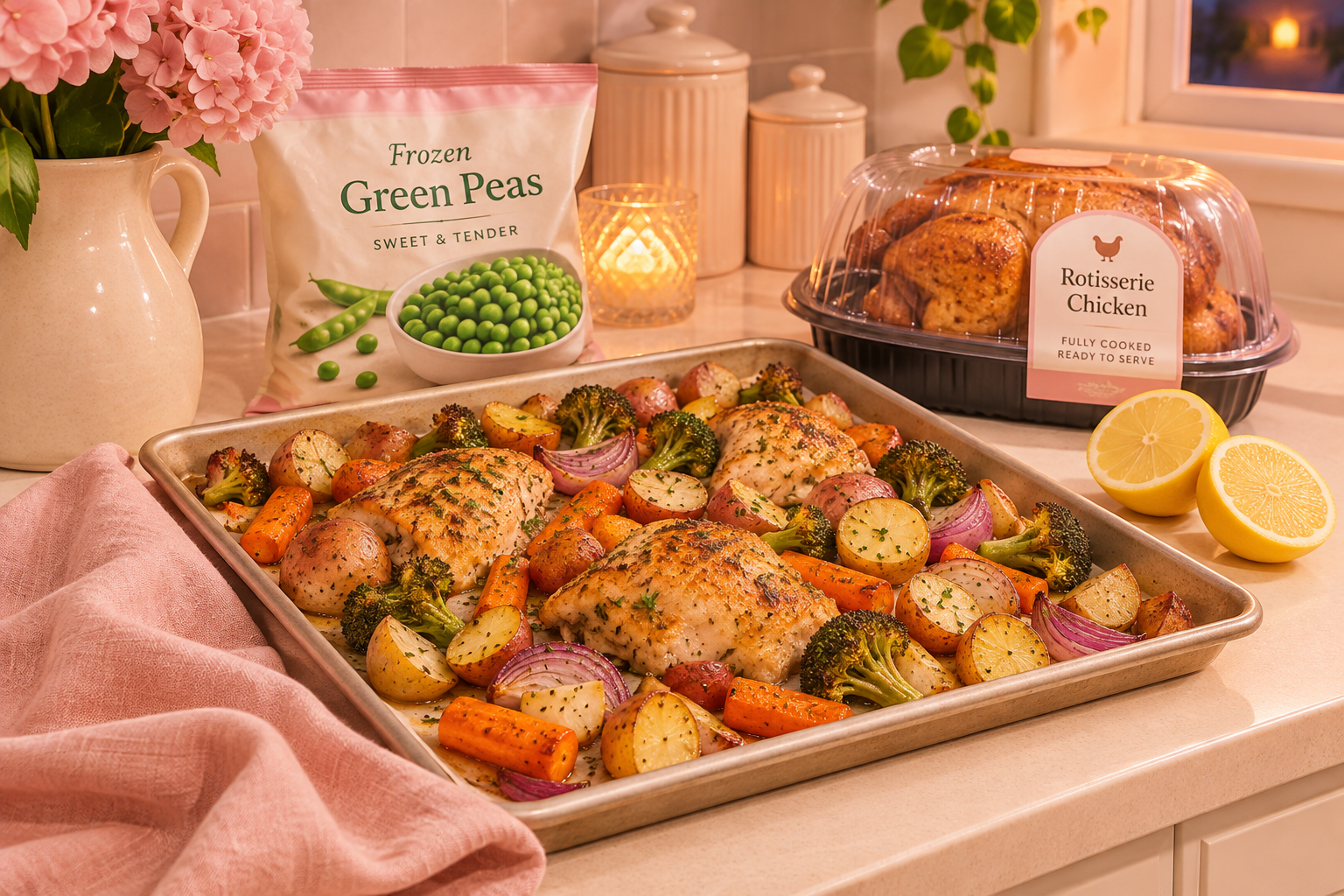
Need faster dinner ideas? Our 10-minute dinner rotation is built around easy protein.
Easy ways to add protein
- Start with breakfast. Swap a plain bagel for eggs, Greek yogurt or cottage cheese.
- Build your plate around protein first, then add vegetables, fruit, whole grains and healthy fats.
- Keep grab-and-go options ready: hard-boiled eggs, string cheese, yogurt cups, edamame, tuna packets, roasted chickpeas.
- Upgrade what you already eat. Add beans to soup, cottage cheese to scrambled eggs, Greek yogurt to smoothies or chicken to pasta.
- Cook once, eat twice. Batch-cook chicken, ground turkey, lentils or tofu on Sunday.
- Choose higher-protein swaps: lentil or chickpea pasta, Greek yogurt instead of regular, soy milk instead of almond milk.
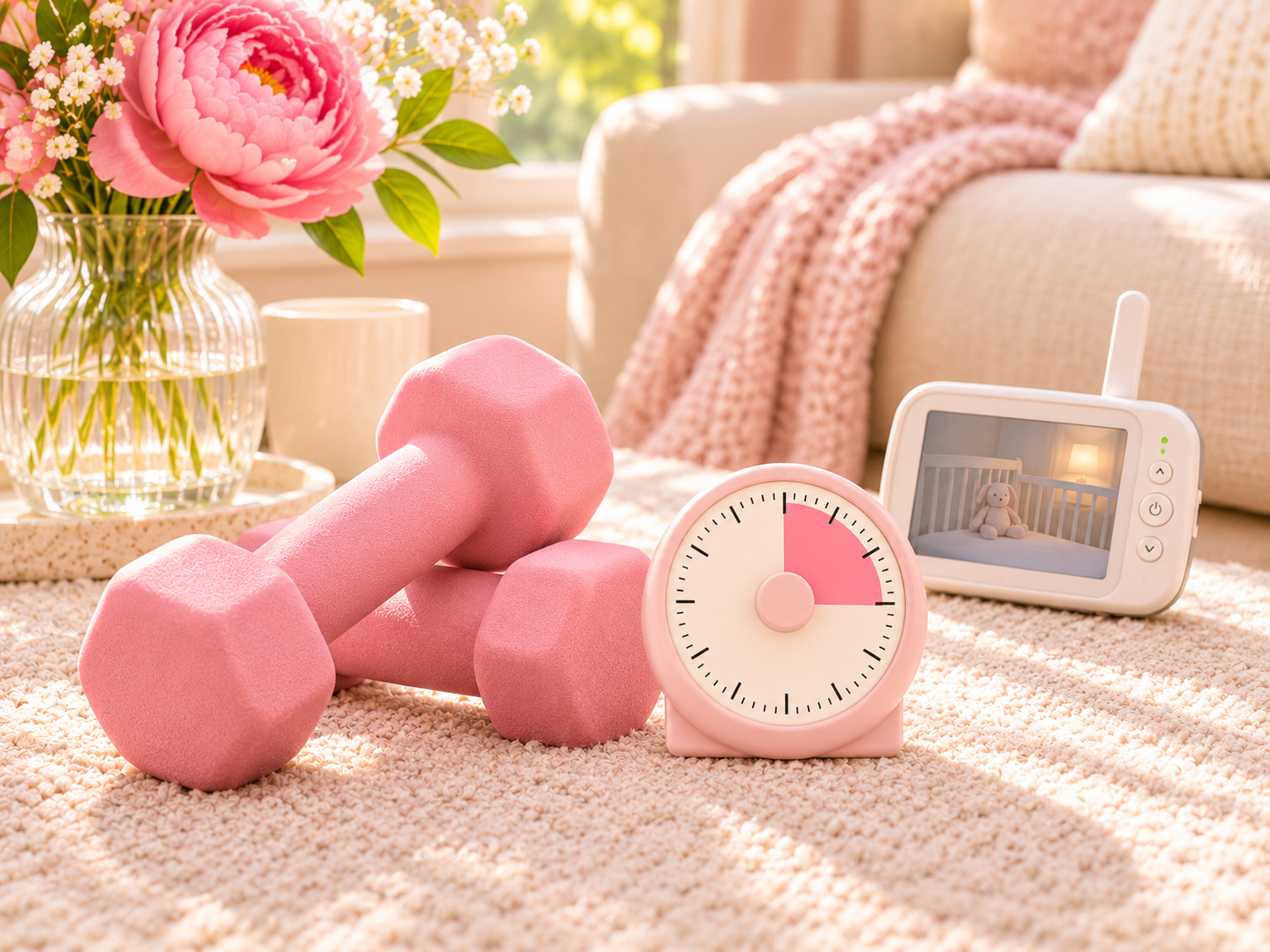
- Pair protein with strength training. Protein supports muscle best when you’re also asking your muscles to work. Our 20-minute dumbbell workout is a great place to start.
Protein on a budget
Eating more protein doesn’t have to mean expensive steaks and fancy powders. Some of the most affordable protein sources are also some of the healthiest:
- Eggs: versatile, quick and still one of the cheapest complete proteins.
- Dried or canned beans and lentils: pennies per serving, with fiber as a bonus. Rinse canned beans to reduce sodium.
- Canned tuna, salmon and sardines: shelf-stable and ready in seconds.
- Chicken thighs and whole chickens: often cheaper than boneless breasts.
- Store-brand Greek yogurt and cottage cheese: buy the big tubs and portion them out.
- Frozen edamame and tofu: budget-friendly plant protein that keeps well.
- Peanut butter: an easy add to oatmeal, toast and smoothies.
Making it work for the whole family
You don’t need to cook a separate “protein meal” for yourself. A few ideas that work for everyone at the table:
- Build-your-own nights: tacos, grain bowls or baked potato bars with beans, chicken, cheese and yogurt as toppings.
- Breakfast for dinner: eggs, turkey sausage and Greek yogurt pancakes.
- Sneak it in: blended white beans in mac and cheese, cottage cheese in lasagna or lentils mixed into ground meat for meatballs and sauces.
- Snack plates: cheese, hummus, hard-boiled eggs, edamame and fruit. Kids love them, and so do tired moms.
Kids’ protein needs are different from adults’, and most kids eating a varied diet get plenty. Your pediatrician can tell you if your child needs more.
Do you need protein powder?
No, but it can be handy. Food should come first because it brings fiber, vitamins and minerals along with the protein. But a shake can be a convenient backup on busy mornings, after workouts or when your appetite is low.
If you’re choosing one, we’ve already broken down the options:
- Whey vs. plant protein: how they compare for digestion, taste, muscle building and budget.
- Collagen vs. protein powder: why collagen isn’t a complete protein and what it’s actually good for.
Look for products with third-party testing, check the label for added sugar and talk to your provider before using supplements if you’re pregnant, breastfeeding or have a health condition.
Can you eat too much protein?
For most healthy women, eating protein in the ranges above is generally considered safe. A review of the research found no significant evidence that high protein intakes harm kidney function in healthy people. But there are some important caveats:
- Kidney disease changes things. The National Kidney Foundation notes that people with kidney disease are often advised to limit protein, and that following popular high-protein diets for a long time may harm the kidneys. Many people don’t know they have kidney disease, so if you have diabetes, high blood pressure or a family history, ask your doctor before going high-protein.
- Balance matters. If protein crowds out vegetables, fruits, whole grains and fiber, that’s a trade-off worth noticing.
- Watch saturated fat. Harvard’s experts noted that a 4-ounce sirloin steak has about 33 grams of protein but also about 5 grams of saturated fat. Mix in fish, poultry, beans, tofu, eggs and dairy.
- Don’t let tracking take over. If counting grams starts to feel stressful or obsessive, step back. A simple “protein at every meal” habit works well for most people.
Protein myths
- Myth #1What you might have heard
“Protein will make me bulky.”
What’s actually trueBuilding big muscles takes years of heavy training, a calorie surplus and genetics. For most women, more protein plus strength training means feeling stronger and more toned, not bulky.
- Myth #2What you might have heard
“Women need way less protein than men.”
What’s actually trueProtein needs are based mostly on body weight, activity and life stage, not gender. Pregnancy, breastfeeding and menopause can actually raise a woman’s needs.
- Myth #3What you might have heard
“More is always better.”
What’s actually truePast a certain point, extra protein doesn’t build more muscle, and very high intakes can crowd out fiber-rich foods. People with kidney disease may need to limit it.
- Myth #4What you might have heard
“You can only absorb 30 grams at a time.”
What’s actually trueYour body absorbs the protein you eat. Spreading it out across meals likely helps with muscle building, but a bigger meal isn’t wasted.
- Myth #5What you might have heard
“Plant-based eaters can’t get enough protein.”
What’s actually truePlenty of vegetarians and vegans meet their needs with beans, lentils, tofu, tempeh, edamame, soy milk and seitan. Variety helps.
- Myth #6What you might have heard
“I need protein shakes to hit my goal.”
What’s actually trueFood comes first. Shakes can be a convenient backup on busy days, but most women can reach their target with meals and snacks.
Your turn
This week, don’t try to overhaul everything. Just add one solid source of protein to breakfast every day. Eggs, Greek yogurt, cottage cheese or a tofu scramble all count. Notice how your energy and hunger feel by lunchtime.
Once breakfast feels automatic, move on to lunch. Small, steady changes like these tend to stick far better than a dramatic overhaul. You don’t need a perfect tracking app, a cabinet full of powders or a meal plan that ignores your family’s tastes. You just need a little protein at each meal, some strength training each week and enough grace to keep going on the busy days when dinner is cereal. That still counts as progress, and so do you.
Not sure where to start, or want someone to help you build a plan around your schedule, your family and your goals? That’s what our coaches do. And if you have a medical condition or specific nutrition needs, our guide to coaches, dietitians and therapists explains who to see for what.
Sources
- Oklahoma State University Extension: The new Dietary Guidelines for Americans (2025–2030)
- American Family Physician: Dietary Guidelines for 2025–2030: recommendations from the USDA and HHS
- Harvard T.H. Chan School of Public Health: Dietary Guidelines for Americans 2025–2030: progress on added sugar, protein hype, saturated fat contradictions
- National Academies (via NCBI): Dietary Reference Intakes: recommended intakes for macronutrients
- Advances in Nutrition: Protein requirements during pregnancy
- Journal of the International Society of Sports Nutrition: ISSN position stand: protein and exercise (2017)
- EatingWell via AOL: How much protein do you really need during menopause?
- National Kidney Foundation: Kidney disease and protein
- Nutrition & Metabolism: Dietary protein intake and renal function
- Journal of the International Society of Sports Nutrition: Full text: protein and exercise position stand (leucine and per-meal dosing)
- Cleveland Clinic: Planning to start a high-protein diet? Check with your kidneys first
This article is for general information and isn’t medical advice. Talk with your doctor or midwife about what’s right for you.
- Protein
- Nutrition
- Strength training
- Menopause
- Healthy eating
Find your strength. Find your girls.
Tell us your goals and your schedule. We’ll reply within two business days with coaching and community that make eating well feel doable.
Questions
Good questions.
How much protein does a woman need per day?
The RDA is 0.8 grams per kilogram of body weight, about 46 grams for the average woman, but that’s a minimum. The 2025–2030 Dietary Guidelines for Americans recommend 1.2 to 1.6 grams per kilogram per day. For a 150-pound woman, that’s roughly 82 to 109 grams.
How much protein should I eat if I lift weights?
The International Society of Sports Nutrition says 1.4 to 2.0 grams of protein per kilogram of body weight per day is enough for most people who exercise regularly, spread across meals of roughly 20 to 40 grams.
How much protein do I need when pregnant or breastfeeding?
The RDA is 71 grams per day during pregnancy and while breastfeeding. Some research suggests needs may be higher later in pregnancy, so ask your provider or a registered dietitian what’s right for you.
Do women need more protein after menopause?
Many experts recommend at least 1.0 to 1.2 grams per kilogram per day for older adults, and more for those who are active or losing weight, to help protect muscle and bone. Pairing protein with strength training is key.
Is too much protein bad for you?
For most healthy people, higher protein intakes within recommended ranges are generally considered safe. People with kidney disease may need to limit protein, so talk to your doctor before starting a high-protein diet if you have kidney disease or risk factors for it.
 Nutrition
 Nutrition
 Fitness