Why girlhood is becoming a powerful theme in beauty marketing
Nostalgia, friendship and play are reshaping beauty campaigns. What Glossier, Rhode, Summer Fridays, e.l.f. and Benefit are doing, and how to celebrate girlhood with grown women responsibly.
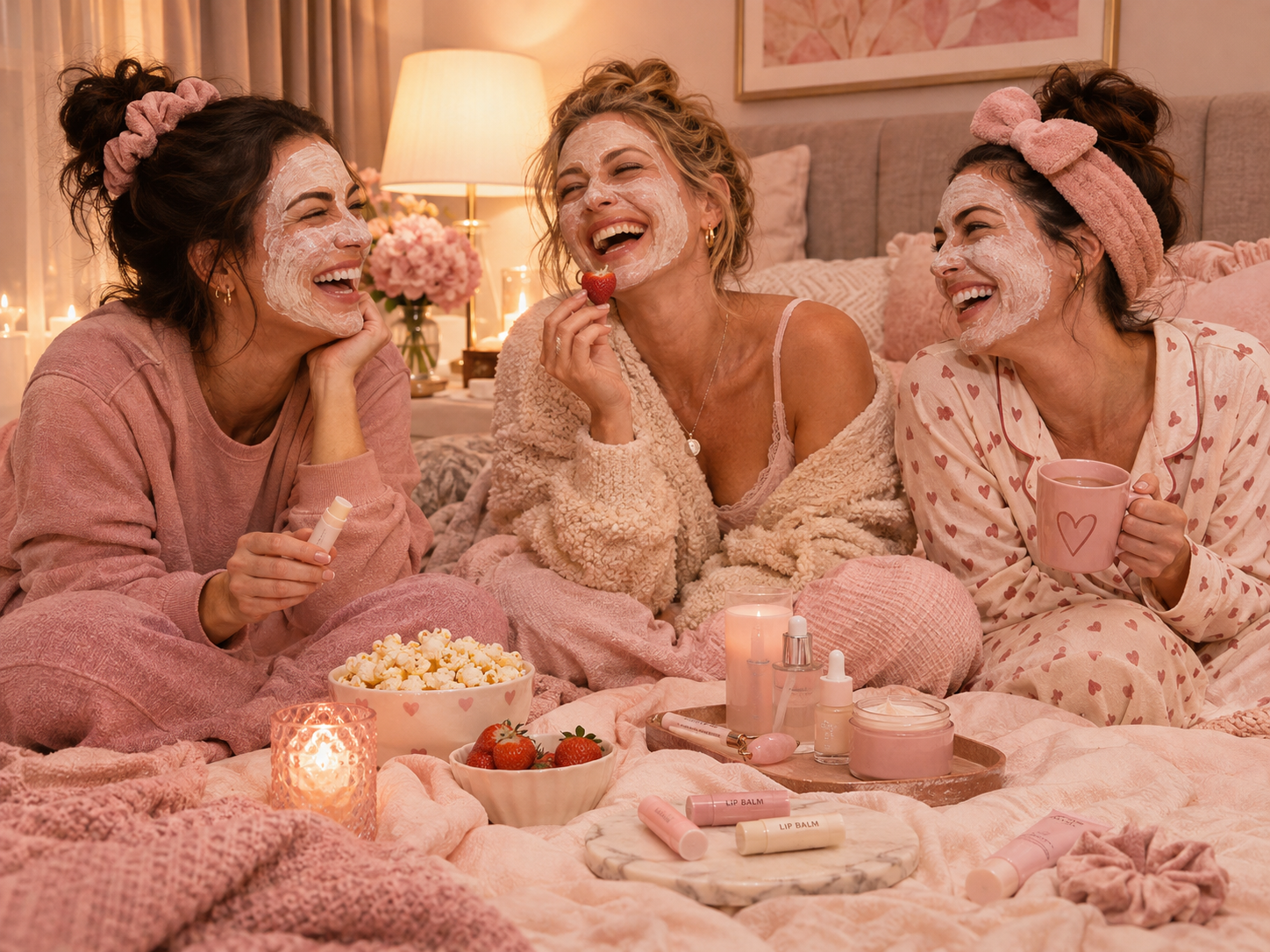
Flavored lip balm in your backpack. Sleepovers with face masks and gossip. Trading glitter gel pens and secrets with your best friend. For millions of women, beauty started as play, and it was rarely done alone.
Today, those memories are showing up everywhere in beauty marketing. Brands like Glossier, Rhode, Summer Fridays, e.l.f. and Benefit Cosmetics are tapping into nostalgia, friendship and playfulness, the feelings many women associate with girlhood. This page explains why the theme is so powerful, where the line sits and how a partnership with Pink in Progress could help brands bring girlhood to grown women with care.
Please note: Glossier, Rhode, Summer Fridays, e.l.f. and Benefit Cosmetics are examples of prospective collaborators based on mission and audience alignment. Pink in Progress has no existing partnership, affiliation or endorsement with these brands.
What girlhood means in beauty now
In marketing, girlhood isn’t really about age. It’s about a feeling: softness, safety, play, friendship and a little bit of nostalgia. One branding analysis found that TikTok’s #girlhood hashtag had drawn more than 1.3 billion views, alongside spinoffs like “girl math” and “girl dinner.”
Commentators have described a broader reclaiming of girlhood in recent years, as women who grew up with brands like American Girl revisit them with adult confidence and adult budgets. In beauty, that shows up as pastel packaging, dessert-inspired shades, playful campaigns, friendship stories and throwbacks to the products women first loved.
- 🎀MemoryNostalgia
Throwback products, references and rituals that remind women of who they used to be.
- 👭ConnectionFriendship
Stories built around best friends, sisters and girl groups.
- 🎈JoyPlay
Beauty as fun and experimentation, not a project or a fix.
Why it resonates with grown women
For many adult women, girlhood represents a time before burnout, before the mental load and before beauty became about “fixing” something. Revisiting that feeling can be comforting, especially when life feels heavy.
Friendship is a big part of it. In 2026, Rare Beauty reunited Selena Gomez and Demi Lovato for a campaign that Refinery29 described as a love letter to 2000s girlhood, aimed squarely at women now in their twenties and thirties. Fashion has done the same: kate spade new york framed a recent campaign as a love letter to the friends who shape a girl’s life.
That matters for wellness, too. Friendships often shift as work, partners and kids take over. A campaign that reminds women of their friends, and gives them a reason to reconnect, can do more than sell a lip balm. Our guide to when your best friend becomes a mom explores how friendships shift in adulthood.
The science of nostalgia
There’s research behind the warm feeling. Psychologists Constantine Sedikides and Tim Wildschut at the University of Southampton have spent years studying nostalgia. Their work describes nostalgic memories as highly social, usually featuring the people we were close to, and has found that nostalgia can generate positive feelings, increase self-esteem and foster a sense of social connectedness.
Their research also suggests that loneliness tends to trigger nostalgia, and that nostalgia, in turn, can increase people’s sense of social support. In other words, when women feel disconnected, looking back at the friendships of their girlhood can help them feel less alone. That makes nostalgia a natural fit for a brand that wants to bring women together, and a responsibility for any brand that uses it.
Moms of girls are part of the story
Many women relating to girlhood themes are also raising girls of their own. They remember their first lip gloss fondly, and they also worry about what social media and beauty trends are teaching their daughters. Brands that speak to both sides, honoring women’s memories while respecting their role as parents, can earn deep trust. Brands that blur the line risk losing it.
The line brands can’t cross
There’s a serious side to this trend. Girlhood themes aimed at grown women are very different from marketing that reaches actual girls. Research firm YPulse found that nearly half of girls ages 8 to 12 already use skincare and makeup, and dermatologists have warned that adult products with ingredients like retinol and exfoliating acids can irritate young skin.
Regulators have taken notice. In April 2026, Sephora agreed to add warnings and train employees to identify products that aren’t appropriate for children, resolving an investigation by Connecticut’s attorney general. That same month, Italy’s competition authority opened an investigation into Sephora and Benefit Cosmetics over alleged covert marketing of adult cosmetics to children, warning about an obsession with flawless skin it called “cosmeticorexia.” The investigation was described as ongoing, with no findings reported.
Writing in BeautyMatter, Rare Beauty’s chief impact officer argued that teenage girlhood itself is under pressure from algorithms and mental health challenges. For brands, the lesson is clear: celebrate girlhood with grown women, and protect real girls. That’s exactly where Pink in Progress can help, because our community is made up of adult women.
Girlhood done well vs. done poorly
- Speaks to adult women’s memories and friendships
- Celebrates play, softness and joy
- Shows women of many ages, bodies and backgrounds
- Invites women to reconnect with friends
- Keeps products and claims grown-up and honest
- Targets children or tweens, directly or through creators
- Sells anti-aging fears to young skin
- Treats “girl” as code for young, thin or one look
- Uses nostalgia as a costume without substance
- Hides sponsorships behind friendly content
The difference is who the message is for, and whether it leaves women feeling better about themselves.
Five brands leaning in
Glossier: a brand coming of age
Glossier grew out of Into the Gloss, the beauty blog where Emily Weiss built a community before launching products. In July 2026, under new leadership, the brand launched “Balmdega,” its first major campaign in its turnaround, transforming its SoHo flagship into a New York bodega and selling a limited-edition apple-flavored “I ♥ NY” Balm Dotcom. Its chief marketing officer called it a brand coming-of-age story, designed to feel nostalgic for longtime fans while welcoming new ones, and the campaign included day-in-the-life vlogs from creators and founder Emily Weiss.
Rhode: treats, play and record launches
Hailey Bieber’s Rhode, known for its Peptide Lip Tints, glazed-skin products and dessert-inspired shades, became Sephora’s biggest brand launch in North American history in 2025, shortly after e.l.f. Beauty acquired it in a deal worth up to $1 billion. It went on to become the largest brand launch in Sephora U.K.’s history and launched with Sephora across Europe in September 2026. In an interview with Fast Company, Bieber described herself as having been a Sephora girl since she was a kid.
Summer Fridays: built on friendship
Summer Fridays was founded in 2018 by Marianna Hewitt and Lauren Ireland, two early beauty creators who met in Los Angeles and became friends. Ireland has recalled her early love of Lip Smackers, a nostalgic touchpoint for millions of women. Today, the brand’s Lip Butter Balm is one of Sephora’s online bestsellers, and Forbes reported in 2026 that Summer Fridays ranked first in Sephora’s U.S. skincare sales in YipitData’s 2025 rankings. Its loungewear collaboration with Gap leans into its relaxed, “time off” mood.
e.l.f.: sisterhood with a wink
e.l.f. Cosmetics blends humor with inclusivity. Its September 2026 campaign, “The e.l.f.ing Magical Sisters,” cast three modern-day witches, including Bebe Wood of 2024’s Mean Girls, and e.l.f. says half of the product’s purchasers were new to the brand. The company is also in a three-year partnership with the National Women’s Soccer League, and its first holiday campaign celebrates everyone who was never made to fit the mold.
Benefit Cosmetics: twin sisters and a Pink Ladies moment
Benefit began in 1976 when twin sisters Jean and Jane Ford opened a tiny makeup shop in San Francisco. In 2026, the brand partnered with Secret Cinema on Grease: The Immersive Movie Musical in London, running a “Beauty School” experience that its U.K. marketing director said offered true cross-generational recognition, reaching both original fans and younger audiences. Products like Benetint have long appealed across age groups.
What these brands have in common
Look closely and a pattern emerges. Each of these brands has built its success on feelings as much as formulas: the comfort of a familiar balm, the fun of a dessert-inspired shade, the loyalty of a friendship-founded company, the humor of a sisterly wink or the shared joy of a sing-along musical. None of them needs to market to children to tap into girlhood. Their strongest moments speak to grown women about the girls they used to be and the friends who shaped them. That’s the space where community partnerships can add the most value, turning a nostalgic campaign into lasting connection.
Where Pink in Progress fits
Each of these brands already speaks the language of nostalgia, friendship and play. Here’s where a partnership with us could add depth.
The common thread is that girlhood themes work best when they connect to something real in adult women’s lives: friendship, joy and the chance to feel like themselves again. Pink in Progress brings the community, the trust and the adult audience to make that connection meaningful.
What we bring
Pink in Progress is a women’s wellness community built around coaching, small circles and practical, research-backed content. Ritner Digital is the team behind Pink in Progress, so strategy, writing, design and community all come from one place.
- 👪Responsible reachAn adult audience
Women in the middle of real life, so girlhood themes land with grown women, not kids.
- 🤝ContentFriendship expertise
Guides on changing friendships, working out with friends and body neutrality.
- 🏙️LocalCity communities
In-person events and guides in our cities.
- ✅TrustHonest standards
Clear sponsor labels, careful sourcing and no invented reviews or testimonials.
Eight partnership ideas
These are starting points, not finished proposals. Tap a category to filter. Each idea notes which brands it might suit best.
- Community
1.💄The grown-up sleepover
An evening event for adult women built around the rituals so many of us loved as girls: face masks, lip balm swaps, snacks, music and long talks with friends. It’s nostalgia with a purpose, giving busy women a reason to reconnect.
What it could include: City events, a hosting kit for friend groups and a playlist, all clearly sponsored.
- Content
2.💌Letters to my younger self
Women of different ages write short letters to the girl they used to be about beauty, confidence and the pressure they felt. Shared with permission and in their own words, the series turns nostalgia into reflection.
What it could include: A written and video series, a reflection prompt kit and a circle discussion.
- Campaigns
3.👯Best friend beauty swap
Friends trade their go-to products and routines for a week and share honestly what they loved, what didn’t work and what they learned about each other. Gifted products are always disclosed.
What it could include: A creator-free campaign featuring real friend pairs, honest reviews and a group finale.
- Community
4.👩👧Moms, daughters and the skincare talk
A guide and circle for moms, not kids, on talking with daughters about skincare and social media, with age-appropriate guidance reviewed by a board-certified dermatologist. It supports families without ever marketing to children.
What it could include: A dermatologist-reviewed conversation guide, a moms’ circle and a simple “what kids actually need” checklist.
- Content
5.📼The beauty time capsule
A nostalgic look back at the products, rituals and beauty trends women remember from their girlhoods, from flavored lip gloss to first mascara, paired with honest reflections on what’s changed and what still matters.
What it could include: An editorial series, a shareable quiz and community memory submissions.
- Campaigns
6.🥰Girls’ night, any age
A campaign celebrating women’s friendships at every stage of life, from college roommates to new moms to friends in their 60s, with real women, real friend groups and real stories.
What it could include: Real friend-group shoots, permission-based stories and city meetups.
- Community
7.🎁The friendship kit
A small, thoughtful kit designed to help women reach out to a friend they’ve lost touch with, pairing a mini product with a handwritten-note card and a prompt to make plans.
What it could include: Co-branded kits, a reconnection guide and a “send one to a friend” program.
- Content
8.🌟Play, not perfection
A content series that brings back the fun of beauty as play rather than a project, focused on experimenting, laughing at mistakes and letting go of flawless skin as a goal.
What it could include: Short videos, a no-pressure makeup challenge and a circle conversation on beauty and self-worth.
What women want from beauty brands
- To feel seen at every age. Girlhood nostalgia should include women in their 30s, 40s, 50s and beyond, not only those in their 20s.
- Joy without pressure. Beauty that feels like a treat or a game, not another task on the to-do list.
- Honesty. Clear information about what a product does and doesn’t do.
- Reasons to connect. Events, rituals and ideas that bring friends together.
- Respect for their kids. Many women are moms of girls and want brands to protect childhood, not rush it.
- Value. Affordable ways to enjoy beauty, especially as budgets tighten.
How to show up well
- Center adult women. Cast, target and plan for grown women, and check where content actually lands.
- Make friendship the hero. Real friend groups and genuine stories resonate more than polished personas.
- Bring substance to nostalgia. Pair throwback moments with something useful, like a reconnection prompt or a conversation about confidence.
- Include every age. Girlhood memories belong to grandmothers as much as twentysomethings.
- Be transparent. Label sponsorships clearly, especially in friendly, casual content.
Mistakes to avoid
- Blurring the age line. Kid-coded packaging, tween creators or school-themed drops can pull in children, even unintentionally.
- Equating girlhood with youth. Suggesting women should look like girls feeds the same anti-aging pressure many are tired of.
- Nostalgia without meaning. Throwback aesthetics alone can feel like a costume.
- One kind of girl. Girlhood looks different across cultures, bodies and backgrounds.
- Showing up once. Friendship and community take time; one-off moments rarely build trust.
Our principles
- Girlhood themes are for adult women; we never market to children or tweens
- Every woman, at every age, belongs in the story
- Every sponsored or gifted mention is clearly labeled
- Women share experiences in their own words, with permission, and we never invent reviews
- No anti-aging fear, body shaming or “flawless skin” promises
- Guidance about kids’ skincare is reviewed by a board-certified dermatologist
Girlhood is tender territory. These principles help us treat it with care.
Every sponsored piece is clearly labeled, in line with the Federal Trade Commission’s endorsement guidance. When women share their experiences with a product, we use their own words with their permission, and we never invent reviews, quotes or testimonials.
How we’d measure success
- Participation: how many women joined an event, circle or program, and how many brought a friend.
- Connection: short, voluntary check-ins asking whether women reconnected with a friend or felt less alone.
- Confidence: whether women felt better about themselves after taking part.
- Content engagement: time spent with stories, guides and prompts, plus replies and submissions.
- Honest feedback: what worked, what didn’t and what women want next, shared only with permission.
What a season together could look like
- Listen and planShort surveys and a kickoff circle to learn what girlhood memories and friendships mean to our community.Insight
- Launch the storiesA content series like Letters to My Younger Self or the beauty time capsule, clearly labeled.Content
- Bring friends togetherGrown-up sleepovers or girls’ nights in one or two of our cities, plus friendship kits.Community
- Celebrate and recapShare highlights, honest feedback and a plan for the next season.Recap
Beyond these five brands
Glossier, Rhode, Summer Fridays, e.l.f. and Benefit are clear examples, but girlhood themes fit many brands, including other makeup and skincare lines, fragrance, accessories, stationery, snacks, entertainment and experiences built around friendship. Our Partner With Us page lists more of the industries we’d love to work with, and our post on body confidence partnerships covers related work with beauty brands.
How to start
If your brand wants to celebrate girlhood with grown women, thoughtfully and responsibly, we’d love to talk. Our Partner With Us page outlines all seven ways we work with brands, and our piece on community-led marketing explains our approach to building community around a brand.
To start the conversation, fill out our short form or email cara@ritnerdigital.com. Our brand kit has everything needed for co-branded work.
The girl you used to be is still part of you. Let’s help women reconnect with her, and with each other.
Sources
- Desiree Design: Why we’re obsessed with brands that feel like girlhood
- HuffPost: American Girl shines in an age of reclaimed girlhood
- Refinery29 (2026): Selena Gomez and Demi Lovato’s Rare Beauty campaign
- kate spade new york via Business Wire: Campaign celebrating those who friend fiercely
- YPulse: The real data on tweens buying skincare
- Sedikides et al., Current Directions in Psychological Science (2008): Nostalgia: past, present and future
- Zhou, Sedikides, Wildschut and Gao: Counteracting loneliness: on the restorative function of nostalgia
- Journal of Drugs in Dermatology: Dermatological safety of cosmetic products marketed to children
- Personal Care Insights (2026): Sephora to introduce safeguards on child cosmetics use
- BeautyMatter (2026): What the collapse of girlhood means for beauty’s next decade
- Fast Company (2026): Glossier’s I ♥ NY Balmdega campaign
- CommerceNext: How Glossier built its brand through community
- rhode via Business Wire (2025): rhode launches in Sephora
- NBC News (2025): e.l.f. Beauty to acquire Rhode
- e.l.f. Beauty (2026): rhode expands into Sephora Europe
- Fast Company (2026): How Rhode built a $1 billion business
- Los Angeles Magazine (2026): How Marianna Hewitt and Lauren Ireland built Summer Fridays
- Yes Press (2026): Summer Fridays company file, citing Forbes
- Beauty Independent (2026): 2025 online sales at Sephora and Ulta Beauty
- TheIndustry.fashion: Gap and Summer Fridays collaboration
- e.l.f. Beauty (2026): The e.l.f.ing Magical Sisters
- e.l.f. Beauty (2026): e.l.f. Made to Stand Out
- e.l.f. Beauty via Business Wire (2026): e.l.f. and the NWSL partnership
- Benefit Cosmetics: About us
- Retail Times (2026): Q&A with Benefit’s U.K. marketing director
- Federal Trade Commission: Disclosures 101 for social media influencers
Brand details are drawn from each company’s public statements and news coverage as of November 2026.
- Beauty
- Partnerships
- Friendship
- Community
- Brand collaborations
Let’s celebrate girlhood with grown women.
Tell us about your brand and the women you want to reach. We’ll reply within two business days with next steps.
Questions
Good questions.
Does Pink in Progress partner with Glossier, Rhode, Summer Fridays, e.l.f. or Benefit?
Not currently. These brands are examples of prospective collaborators based on mission and audience alignment. Their inclusion does not imply an existing partnership, affiliation or endorsement.
What does girlhood mean in beauty marketing?
It refers to a feeling rather than an age: nostalgia, friendship, softness and play. Brands evoke it through throwback products, dessert-inspired shades, friendship stories and playful campaigns.
Why does girlhood resonate with adult women?
For many women, it recalls a time before burnout and before beauty became about fixing something. Friendship and nostalgia offer comfort and connection, which is why campaigns like Rare Beauty’s 2026 reunion of Selena Gomez and Demi Lovato struck a chord.
Isn’t girlhood marketing risky?
It can be if it reaches actual children. Regulators have scrutinized beauty marketing to kids, including a Connecticut agreement with Sephora and an ongoing Italian investigation. Girlhood themes should be designed for, and aimed at, adult women.
What kinds of partnerships could you create?
Ideas include grown-up sleepovers, a Letters to My Younger Self series, best friend beauty swaps, a dermatologist-reviewed guide for moms, a beauty time capsule, a girls’ night campaign for every age, friendship kits and a play-not-perfection series.
Who does Pink in Progress reach?
Adult women in the middle of real life, including moms, women in midlife, women starting over and women rebuilding friendships.
How would you measure success?
We’d look at participation, friends brought along, connection and confidence check-ins, content engagement and honest feedback shared with permission.
How can a brand get in touch?
Fill out the form on our homepage or email cara@ritnerdigital.com. We’ll reply within two business days and set up a discovery call.
Keep reading
 Stories & spotlights
 Stories & spotlights
 Stories & spotlights