
Some feelings are too big to say out loud and too heavy to keep inside. A journal gives them somewhere to go. Whether you’re grieving someone you love, healing from a breakup or a hard diagnosis, or simply trying to remember who you are after years of putting everyone else first, writing it down can help you see your own life a little more clearly.
Here are 15 of the best journals for grief, healing and self-discovery, from gentle grief companions written by counselors to playful prompt books and simple daily habits. You’ll also find tips for getting started, prompts to try tonight and a few honest notes on when a journal isn’t enough.
None of these picks are sponsored. Most links go to a plain Amazon search so you can compare formats and prices; we don’t earn a commission. You can also find most of these at your local bookstore, library or on Bookshop.org.
Why writing helps
When something painful happens, our thoughts tend to loop. We replay conversations, rehearse what we should have said and carry it all around in our heads. Writing slows that loop down. Putting feelings into words can help you name what you’re feeling, notice patterns and make a little sense of what happened.
- 🧠ReleaseIt gets it out of your head
Seeing your thoughts on paper can make them feel more manageable and less tangled.
- 🔍InsightIt helps you notice patterns
Looking back over weeks of entries can show you what helps, what hurts and how far you’ve come.
- 💬SafetyIt’s a place to be honest
A journal never interrupts, judges or tries to fix you. It just listens.
- 🕑RememberingIt keeps memories close
In grief especially, writing down stories and small details can help you hold on to the people you love.
What the research says (and doesn’t)
Psychologist James Pennebaker began studying “expressive writing” in the 1980s. In his early studies, people wrote about traumatic or stressful experiences for about 15 minutes a day over a few days. Decades of research since then suggest that writing about emotions and stress can benefit both emotional and physical health for many people.
But the research also comes with honest caveats:
- It isn’t a cure-all. Harvard Health notes that expressive writing may help some people cope, but it won’t work for everyone, and it appears more effective for people who aren’t also struggling with severe depression or PTSD.
- Timing matters. A few studies have found that people who write about a traumatic event right after it happens may feel worse, possibly because they aren’t ready yet.
- Venting alone isn’t the point. Researchers have found that the benefits seem to come from using writing to understand and learn from your emotions, not just to pour them out.
In other words, journaling is a tool, not a treatment. Used gently and at your own pace, it can be a powerful one.
One more encouraging finding: researchers note that the benefits don’t depend on writing well. You don’t need good spelling, tidy handwriting or a way with words. What seems to matter most is being honest with yourself and giving your feelings some shape. If you’re someone who rarely gets to talk about what you’re carrying, because you’re the one holding everyone else together, a journal may be one of the few places where you get to go first.
Guided, blank or somewhere in between?
- 🗺️PromptsGuided journals
Questions on every page take away the fear of the blank page. Great when you don’t know where to start.
- 📚ExercisesWorkbooks
Often paired with a book or written by a therapist, with structured exercises that build on each other.
- 📆Tiny habitLine-a-day journals
One question or one sentence a day, often for five years. Perfect for busy seasons.
- 📃FreedomBlank notebooks
No rules at all. Best when you already know what you want to write, or want to try it before buying anything.
15 journals for grief, healing and self-discovery
Tap a category to filter. Each pick includes who wrote it, who it’s best for and a link to find it.
- Grief & loss
1.🌊How to Carry What Can’t Be Fixed: A Journal for Grief
By Megan Devine. From the psychotherapist behind It’s OK That You’re Not OK, this illustrated journal treats grief as a natural response to loss, not a problem to fix. Devine wrote it after her partner drowned in 2009. There are no timelines or stages to check off, and you won’t be pushed toward a happy ending.
Best for: Anyone who is tired of hearing “everything happens for a reason.” It also has practical help for the “How are you doing?” question.
Find it on Amazon → - Grief & loss
2.🧭The Understanding Your Grief Journal
By Dr. Alan Wolfelt. A companion to Wolfelt’s bestseller Understanding Your Grief. After you read each section of the book, the journal asks you questions about it. Wolfelt is one of North America’s best-known grief counselors, and the pair is often used in grief support groups.
Best for: If you want structure. Read a section, answer the questions and take grief in small doses. There’s also a version for suicide loss.
Find it on Amazon → - Grief & loss
3.🕊️The Pregnancy and Baby Loss Guided Journal
By Rachel Rabinor & Janet Jaffe. Written by mental health professionals, this journal offers a space to honor your baby and process grief after miscarriage, ectopic pregnancy, stillbirth or other reproductive loss, whatever the length of your pregnancy.
Best for: Pairs well with support from a perinatal therapist or loss support group.
Find it on Amazon → - Grief & loss
4.💔The Transcending Divorce Journal
By Dr. Alan Wolfelt. Divorce is a loss, too. This companion to Wolfelt’s Transcending Divorce walks you through ten “touchstones” for healing, with highlights from the book and questions about your own experience.
Best for: Women who need permission to grieve a marriage, even one that needed to end.
Find it on Amazon → - Grief & loss
5.🪪After the Breakup: A Self-Love Journal
By Lindsey Dortch Brock. A guided journal that moves step by step, from processing raw feelings to rebuilding self-esteem and noticing old patterns, so you can build a healthier relationship with yourself and others.
Best for: A gentler choice for a breakup that still stings. It works no matter your relationship type or background.
Find it on Amazon → - Healing hard things
6.✍️Healing Through Words
By Rupi Kaur. The poet behind milk and honey offers more than 60 guided writing exercises on loss, love, heartbreak, trauma, family and healing. You don’t need to be a writer, and many prompts start as simply as word association.
Best for: Creative women who want to process feelings through poetry or freewriting rather than question-and-answer prompts.
Find it on Amazon → - Healing hard things
7.🌿Create Your Own Calm: A Journal for Quieting Anxiety
By Meera Lee Patel. A beautifully illustrated journal with prompts and quotes for understanding the roots of your worries. The first page asks you to notice where you hold tension in your body.
Best for: Anxious overthinkers who want something soothing to hold, not a clinical workbook.
Find it on Amazon → - Healing hard things
8.💖Self-Love Workbook for Women
By Megan Logan, LCSW. Written by a licensed clinical social worker, this workbook uses exercises rooted in mindfulness and positive psychology to help you release self-doubt and build self-compassion. A trauma recovery edition and a companion journal are also available.
Best for: Women who are hard on themselves and want practical exercises, not just blank pages.
Find it on Amazon → - Healing hard things
9.🔥Burn After Writing
By Sharon Jones. A private journal of questions about your past, present and future, designed so no one else ever sees your answers. It’s sold more than three million copies, and there’s an expanded edition with new questions.
Best for: When you need to be completely honest and the thought of someone reading it holds you back.
Find it on Amazon → - Self-discovery
10.🌟Start Where You Are: A Journal for Self-Exploration
By Meera Lee Patel. An illustrated journal with more than 500,000 copies sold, filled with quotes, open-ended prompts and exercises like drawing and chart-making to help you reflect on where you are and where you want to go.
Best for: Rediscovering yourself after a big life change, or simply a long season of caring for everyone else.
Find it on Amazon → - Self-discovery
11.🌕Q&A a Day for the Soul
By Potter Gift. One question a day for five years, focused on mindfulness, self-growth and meaning. Over time, you get to see how your answers change, or don’t.
Best for: Women who love watching their growth over time. It also makes a lovely gift.
Find it on Amazon → - Self-discovery
12.☀️The Artist’s Way Morning Pages Journal
By Julia Cameron. A companion to The Artist’s Way, built around Morning Pages: three pages of longhand, stream-of-consciousness writing each morning. It includes instructions and quotes to guide you through the 12-week program.
Best for: Creative blocks, feeling stuck or wanting to hear your own voice again.
Find it on Amazon → - Small daily habit
13.🌅The Five Minute Journal
By Intelligent Change. A guided gratitude journal you fill out twice a day, in the morning and before bed, with short prompts, a quote on every page and weekly challenges.
Best for: Busy women who want a gentle, structured habit. Keep it by the bed so you actually use it.
Visit Intelligent Change → - Small daily habit
14.📝The Happiness Project One-Sentence Journal
By Gretchen Rubin. Write just one sentence a day for five years. Rubin created the idea because she knew she wouldn’t keep a long daily journal, but one sentence she could manage. There’s also an edition for mothers.
Best for: Anyone who has started and abandoned a journal before. One sentence counts.
Find it on Amazon → - Small daily habit
15.📓A plain notebook you love
By you. Sometimes the best journal is a blank one. Gretchen Rubin’s own one-sentence habit started in a plain notebook. Pick something that feels good to hold and is easy to keep nearby.
Best for: Women who don’t want prompts, or who want to try journaling before spending much.
Shop on Amazon →
Other ways to journal
If sitting down with a pen doesn’t feel like you, that’s okay. Journaling can take many forms:
- 🎙️Talk it outVoice memos
Record your thoughts on a walk or in the car. Researchers have found that talking into a recorder can have benefits, too.
- 🖼️Draw itArt journaling
Sketch, paint, collage or doodle. Some feelings are easier to show than to explain.
- 💌Say itUnsent letters
Write to someone you lost, someone who hurt you or your younger self. You never have to send it.
- 📱Type itNotes app or journaling app
Handy for late-night thoughts. Choose one with a passcode if privacy matters.
- 📷Notice itPhoto journaling
Take one photo a day of something that made you pause, then add a line about why.
- 📋Sort itLists
Things I’m worried about. Things I can control. Things that helped today. Lists count.
Which journal fits your season?
How to start when you don’t know what to write
- Lower the barOne sentence counts. So does a list.Easy
- Pick a timeMorning coffee, lunch break or right before bedRoutine
- Set a short timerFive or ten minutes is plentyGentle
- Write without editingSpelling and grammar don’t matter hereFree
- Close with something steadyingOne thing you’re grateful for, or one next stepGround
If you skip a day, a week or a month, just start again. There’s no such thing as falling behind in a journal.
Six prompts to start with tonight
- Right now, I feel… (Name it without judging it.)
- What I miss most is…
- Something I haven’t said out loud is…
- One small thing that helped this week was…
- If I could speak to the version of me from a year ago, I’d say…
- Something I’m still curious about, even now, is…
Pick just one. Write for five minutes. Stop whenever you need to, and be kind to yourself. That’s a complete journaling session.
Journaling through grief
Grief journaling can look different from other kinds of writing. A few ideas that many people find comforting:
- Write letters to the person you lost. Tell them about your day, what you wish you’d said or what you’re carrying now.
- Collect stories. Write down memories, sayings and small details before they fade. Ask family and friends to add their own.
- Track the hard days. Birthdays, anniversaries and holidays can sneak up on you. Noting them helps you plan ahead and ask for support.
- Let it be messy. Anger, relief, guilt and numbness are all part of grief. Your journal is a place for all of it.
- Stop when you need to. If writing brings up more than you can handle in the moment, close the book. You can come back later.
If you’re grieving, you might also find comfort in our support circle for widows or our guide to eating when grief steals your appetite.
Keeping your journal private
Many women hold back in a journal because they worry someone will read it. A few ways to feel safer:
- Choose a hiding spot that’s easy for you to reach and unlikely for others to find.
- Use a journal with a lock or an app with a passcode if you share your home.
- Write on loose pages you can tear out, shred or, yes, burn after writing.
- Use initials or code words for people and places if that helps you be more honest.
If you’re in a relationship where you don’t feel safe, be careful about writing details where someone could find them. You can call or text the National Domestic Violence Hotline at 1-800-799-7233 or text START to 88788 for confidential support.
Giving a journal to someone who’s hurting
A journal can be a thoughtful gift for a friend who is grieving or going through a hard season, especially when you don’t know what to say. A few tips:
- Choose something gentle. For fresh grief, a journal like Megan Devine’s or a simple one-sentence journal is less overwhelming than a big workbook.
- Add a note with no pressure. Something like “No homework. Just in case it helps someday.”
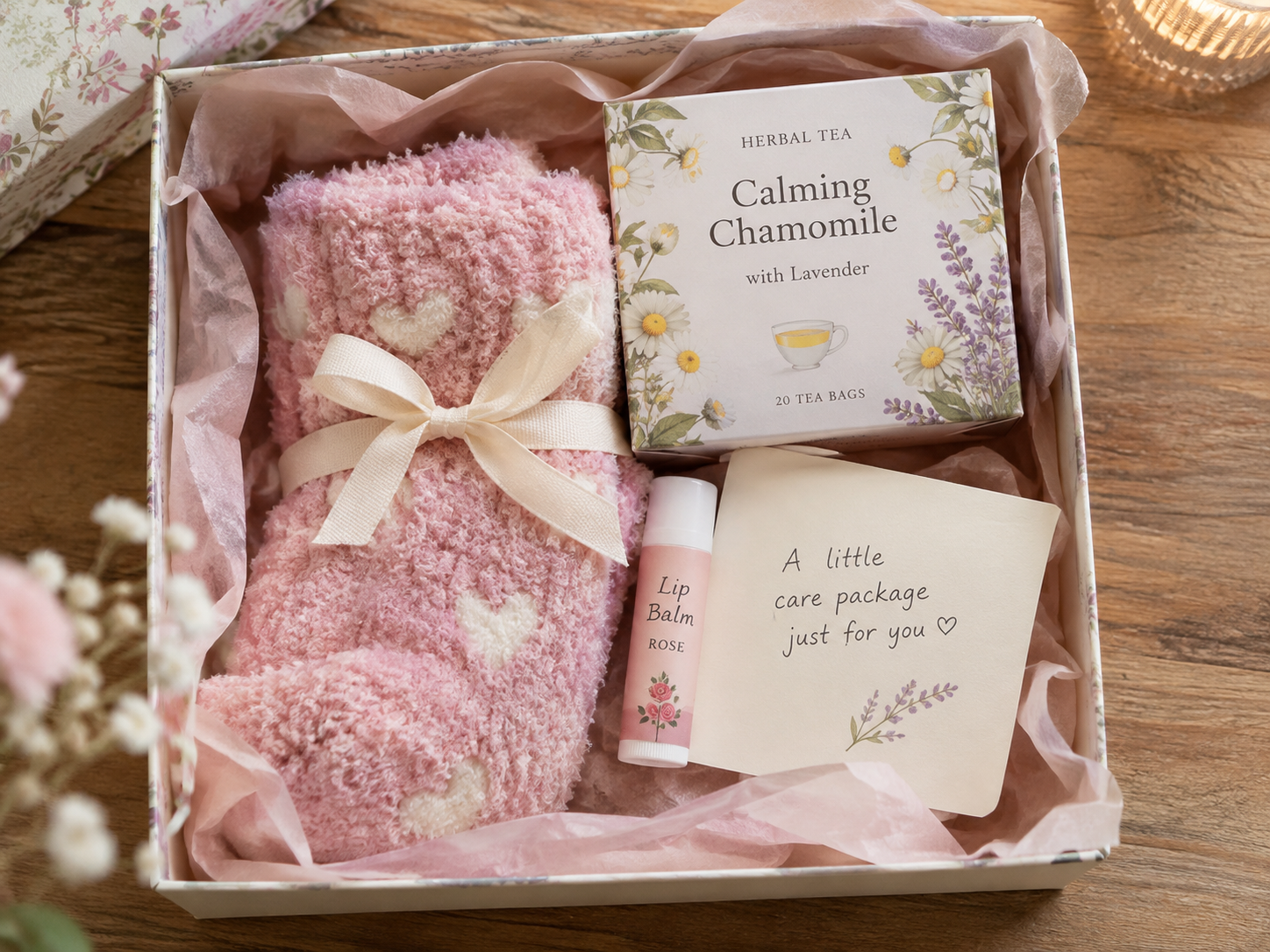
- Pair it with something comforting, like a good pen, a candle or a favorite tea. Our list of care package ideas has more.
- Keep showing up. A journal is a lovely gift, but it’s not a substitute for your texts, calls and visits.
When a journal isn’t enough
Journaling can be a wonderful support, but it’s not a replacement for care. Please reach out to a doctor, therapist or grief counselor if you notice:
- Grief or sadness that isn’t easing at all over many months, or is getting worse
- Trouble getting through daily life, like work, eating, sleeping or caring for your family
- Writing that leaves you feeling consistently worse rather than lighter
- Flashbacks, panic or memories of trauma that feel overwhelming
- Thoughts that you’d be better off not here
If you’re in crisis or thinking about harming yourself, call or text 988 to reach the 988 Suicide & Crisis Lifeline, available 24/7. A therapist can also suggest ways to use journaling alongside treatment. Our guide to cognitive behavioral therapy explains one common approach that often includes writing exercises.
Your turn
You don’t need the perfect journal, the perfect pen or the perfect words. You just need a few honest minutes and a page that’s willing to hold whatever you bring to it. Start with one sentence tonight. Then another tomorrow, or next week, or whenever you’re ready. Your future self may be grateful you did, and you may be surprised by what you find.
Your story is still being written. Some chapters are hard. Writing them down is one way to keep turning the page.
Sources
- Sounds True: How to Carry What Can’t Be Fixed
- PESI: How to Carry What Can’t Be Fixed details
- Bookshop.org: The Understanding Your Grief Journal
- Hachette: The Pregnancy and Baby Loss Guided Journal
- MIT Press Bookstore: The Transcending Divorce Journal
- Penguin: After the Breakup: A Self-Love Journal
- Harvard Book Store: Healing Through Words
- Penguin Random House: Create Your Own Calm
- POPSUGAR: Create Your Own Calm review
- Penguin: Self-Love Workbook for Women
- Penguin Random House: Burn After Writing, expanded edition
- Penguin Random House: Start Where You Are
- Penguin: Q&A a Day for the Soul
- Julia Cameron: The Artist’s Way Morning Pages Journal
- Intelligent Change: What’s inside The Five Minute Journal
- Gretchen Rubin: Spotlight on the One-Sentence Journal
- Harvard Health: Writing about emotions may ease stress and trauma
- American Psychological Association: Writing to heal
- Advances in Psychiatric Treatment (2005): Emotional and physical health benefits of expressive writing
- Greater Good Science Center: How to journal through your struggles
This article is for general information and isn’t medical advice. Talk with your doctor or midwife about what’s right for you.
- Journals
- Grief
- Healing
- Self-discovery
- Recommendations
Write it down. Then reach out.
Tell us a little about you and your season of life. We’ll reply within two business days with circles where women hold space for each other.
Questions
Good questions.
What is the best journal for grief?
Popular choices include How to Carry What Can’t Be Fixed by Megan Devine and The Understanding Your Grief Journal by Dr. Alan Wolfelt. For pregnancy or baby loss, The Pregnancy and Baby Loss Guided Journal was written by mental health professionals specifically for that experience.
Does journaling really help with healing?
Research on expressive writing, pioneered by psychologist James Pennebaker, suggests that writing about emotions and stress can benefit emotional and physical health for many people. It doesn’t work for everyone, though, and it isn’t a substitute for professional care.
Should I use a guided journal or a blank notebook?
Guided journals are great if a blank page feels intimidating. Blank notebooks are best if you already know what you want to write. Many people start with prompts and move to blank pages over time.
How long should I journal each day?
There’s no rule. Many people find five to fifteen minutes is enough. Early expressive writing studies asked people to write for about 15 minutes over a few days. Even one sentence a day can be meaningful.
Is it okay to journal right after a traumatic event?
Some studies suggest that writing about a trauma immediately afterward can make some people feel worse, possibly because they aren’t ready yet. Go at your own pace, and talk with a therapist if writing feels overwhelming.
What should I write about in a self-discovery journal?
Try prompts about what you enjoy, what drains you, what you’d do with a free day, who you were before a big life change and what you’re curious about now. Guided journals like Start Where You Are offer plenty of ideas.
What’s a good journal to give someone who is grieving?
Choose something gentle and low-pressure, like Megan Devine’s grief journal or a one-sentence journal. Add a note that says there’s no pressure to use it, and keep checking in.
How do I keep my journal private?
Choose a good hiding spot, use a journal with a lock or a passcode-protected app, write on loose pages you can destroy, or use initials and code words for people and places.
 Picks & lists
 Hard seasons
 Hard seasons