Your morning coffee tastes like pennies. Water tastes wrong. The chicken soup that used to fix everything tastes like chewing on tinfoil. If chemotherapy has turned food into something you dread, you’re not imagining it, and you’re far from alone.
Taste changes are one of the most common and least talked about side effects of cancer treatment. They can make eating feel like a chore exactly when your body needs fuel most. This guide explains why chemo changes taste, how long it tends to last, practical fixes for every kind of taste change and how to work with an oncology dietitian to keep yourself nourished.
We’re health coaches, not doctors or dietitians, and this is general information. Your oncology team and dietitian know your treatment and should guide what you eat. Tell them about taste changes, weight loss, mouth sores or trouble eating or drinking. If you’re struggling emotionally, you can call or text 988.
“Metal mouth” is real
Many people in treatment describe a metallic, bitter or chemical taste that lingers even when they’re not eating. Others find that food tastes flat, too sweet, too salty or like nothing at all. The American Cancer Society says common complaints include foods tasting bland, all foods tasting the same and a bitter or metallic taste, especially after eating meat or other high-protein foods.
These changes can shift from day to day, and from one treatment cycle to the next. What tasted fine on Monday might be unbearable by Thursday. That unpredictability is exhausting, and it’s worth naming: this is hard, and it’s not a willpower problem.
- Report metallic tasteDepending on treatment and studyCommon
- Usually the worstAfter each chemo sessionCycle
- Taste often returnsAfter chemo ends, for manyHope
- Expert to askAn oncology dietitianSupport
Why chemo changes taste
Chemotherapy works by targeting cells that divide quickly, like cancer cells. Unfortunately, some healthy cells divide quickly too, including the cells in your taste buds and the lining of your mouth. Taste cells normally renew themselves often, so when chemo slows that renewal, taste can go haywire.
Researchers think several things may be going on at once:
- 👅CellsTaste bud damage
Chemo can damage taste cells and slow their regeneration, changing how flavors register.
- 🧠SignalsNerve effects
Some drugs may affect the nerves that carry taste signals to the brain.
- 💧Dry mouthLess saliva
Treatment can reduce saliva, which carries flavor to taste buds and keeps the mouth healthy.
- 💉Phantom tastesDrugs in your saliva
Some medicines can be tasted directly, causing a bitter or metallic taste even when you’re not eating.
- 👃FlavorSmell changes
Most of what we call flavor is actually smell. When smell changes, food tastes different too.
- 🦠ThrushMouth infections
Infections like oral thrush, gum problems and mouth sores can all distort taste.
Researchers have also looked at a link between lower zinc levels and taste problems, along with other possible causes like lipid oxidation in the mouth. The exact cause probably differs from person to person and drug to drug.
How common is it?
Very common. A 2015 review in Cancer Treatment Reviews found that the share of chemo patients reporting a metallic taste ranged from about 10% to 78%, depending on the type of cancer, the chemo drugs and the phase of treatment. Overall taste changes are reported even more widely.
Some drugs are more likely to cause taste changes than others. Your oncology team can tell you whether your specific regimen is known for it. Radiation to the head and neck, some immunotherapies, antibiotics, pain medicines and the cancer itself can also affect taste.
How long does it last?
The honest answer: it depends on your treatment, the dose and your body. But there are some common patterns.
- During a cycleCancer Council Australia says flavor problems are usually worse in the first week after chemotherapy and then gradually improve before the next session.
- Over treatmentChanges can build or shift as treatment goes on. Metallic taste might give way to everything tasting flat.
- After treatment endsFor many people, taste starts to improve within weeks. Studies cited by Cancer Council Australia found people who had chemo only began to taste and enjoy food again about two months after treatment ended.
- Six months to a yearOne study of women with breast cancer, described by the World Cancer Research Fund, found no lasting taste changes six months after their last cycle. Recovery is often greatest in the first year.
- Longer termFor some people, especially after head and neck radiation, changes can last longer or be permanent. Your care team can tell you what to expect.
Knowing your own pattern helps. Many people find it useful to keep a simple food and taste log, so they can plan easier meals for the hardest days of each cycle.
Why it matters
Taste changes might sound like a minor side effect, but they can have a big impact. The American Cancer Society notes that taste and smell changes can make it harder to eat and can lead to weight loss without trying. Not getting enough to eat and drink can make it harder for your body to heal and recover from treatment.
Taste changes can also lead to food aversions, which are strong dislikes for foods you used to enjoy. And eating is social and emotional, too. Losing the pleasure of a favorite meal, or not being able to enjoy dinner with your family, is a real loss. It’s okay to grieve that.
Fixes by taste
The best fix depends on what’s happening in your mouth. These ideas come from cancer centers including Memorial Sloan Kettering, Stanford, BC Cancer and the American Cancer Society. Try a few and see what helps. What works one week may not work the next.
- If food tastes…Metallic
- Use plastic, bamboo or wooden utensils instead of metal.
- Cook in glass or ceramic instead of metal pans.
- Drink from glass, not cans.
- Try tart flavors like lemon or citrus, if your mouth isn’t sore.
- Suck on mints, sugar-free lemon drops or gum between meals.
- If food tastes…Bitter, especially meat
- Marinate meat in sauces, fruit juice, Italian dressing or teriyaki.
- Swap red meat for chicken, fish, eggs, tofu, beans, dairy or nut butters.
- Serve protein cold or at room temperature, like a chicken salad.
- Add a little sweetness, like honey or fruit, to savory dishes.
- If food tastes…Too sweet
- Add a pinch of salt.
- Dilute juices and sweet drinks with water or sparkling water.
- Try sour or tart foods, like plain yogurt or citrus.
- Choose savory snacks over sweet ones for a while.
- If food tastes…Too salty
- Choose low-sodium versions of soups, broths and sauces.
- Add a little sweetness or fat, like a drizzle of olive oil.
- Cook from scratch when you can, so you control the salt.
- Avoid salty processed foods until things settle.
- If food tastes…Bland or like nothing
- Add herbs, spices, garlic, onion, mustard or ketchup.
- Try sauces, marinades and pickles if your mouth isn’t sore.
- Mix textures and temperatures to make food more interesting.
- Try the FASS trick: fat, acid, salt and sweet to balance flavor.
- If food tastes…Smells are too much
- Eat cold or room-temperature foods, which smell less.
- Use a kitchen fan, cook outdoors or let someone else cook.
- Avoid eating in hot, stuffy rooms.
- Sip drinks through a straw from a covered cup.
A note on cold foods: cold foods often help with taste and smell, but if you’re receiving oxaliplatin, you may be told to avoid cold foods and drinks because the drug can cause sensitivity to cold. Always follow your care team’s advice.
A note on tart foods: lemon, vinegar and citrus can brighten flavors, but skip them if you have mouth sores, since they can sting.
Mouth care helps
Keeping your mouth clean is one of the simplest ways to improve taste. It can help clear lingering bad tastes, prevent infections and keep your mouth comfortable.
- Brush gently with a soft toothbrush after meals and before bed. Brush your tongue too.
- Rinse before and after eating to clear your taste buds.
- Sip water often if your mouth is dry, and ask about saliva substitutes.
- See a dentist before or early in treatment if you can. The American Cancer Society suggests checking that tooth or mouth problems aren’t making taste worse.
- Tell your team about white patches, sores or pain. Oral thrush and mouth sores are treatable and can change taste.
- Skip alcohol-based mouthwashes, which can dry and irritate the mouth.
Salt and baking soda rinse
- Mix 1 teaspoon of salt and 1 teaspoon of baking soda into 4 cups of water.
- Shake well before each use.
- Swish a small amount around your mouth and spit it out. Don’t swallow it.
- Use before meals, after meals and throughout the day.
This is the recipe the American Cancer Society shares. Make a fresh batch every day, and check with your care team about mouth care during your treatment.
Eating enough when nothing tastes right
When food tastes off, it’s easy to eat less without noticing. A few strategies can help you keep your energy and strength up:
- Eat small amounts often. Five or six mini-meals can be easier than three big ones.
- Eat when you feel best. For many people, that’s the morning or the days right before the next treatment.
- Prioritize protein. Eggs, yogurt, cottage cheese, beans, tofu, fish and nut butters help protect muscle.
- Make every bite count. Add olive oil, nut butter, avocado or cheese to boost calories without adding volume.
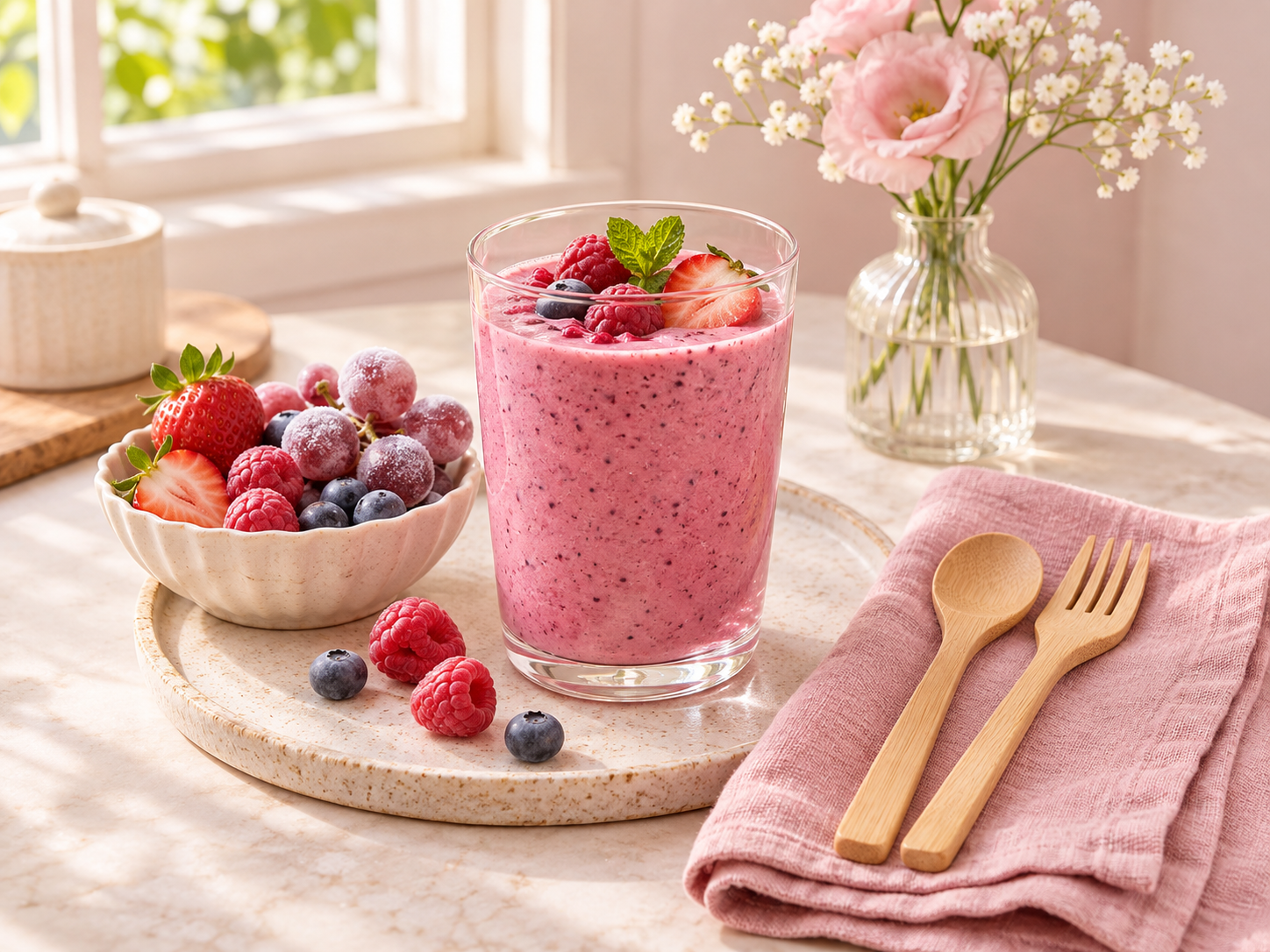
- Drink your nutrition. Smoothies and shakes can be easier than solid food. Ask your dietitian about nutrition drinks.
- Try new foods. Old favorites often taste the most wrong. Something you don’t usually eat may taste better.
- Keep a list. Write down what works so you can come back to it on hard days.
If appetite is hard right now for other reasons too, our guide to eating when your appetite disappears has more gentle, realistic ideas.
Foods people often tolerate
Everyone is different, but these are foods many people in treatment find easier when taste is off:
- 🥛Cold and easySmoothies
Blend fruit, yogurt and nut butter. Frozen fruit makes it extra refreshing.
- 🥚Mild proteinEggs
Scrambled, in egg salad or as a frittata. Easy on the stomach and gentle in flavor.
- 🍇Tart and freshFruit
Frozen grapes, melon, berries and citrus can cut through a metallic taste.
- 🥣Cool proteinYogurt and cottage cheese
Mild, cold and easy to eat. Add honey or fruit if you like.
- 🍝ComfortingPasta and grains
Plain or lightly dressed. Great with a little olive oil and cheese.
- 🥪Less smellCold sandwiches
Chicken salad, egg salad or turkey and cheese, served cool.
Food safety during treatment
Chemo can lower your white blood cell count, which makes it harder for your body to fight off infections, including food poisoning. The American Cancer Society and many cancer centers recommend extra food safety care during treatment:
- Wash your hands before preparing or eating food.
- Wash fruits and vegetables thoroughly.
- Cook meat, poultry, fish and eggs all the way through.
- Avoid unpasteurized milk, cheese and juice.
- Skip free food samples, buffets and soft-serve machines.
- Eat leftovers within a few days, and reheat them until steaming hot.
If your white blood cell count is very low, your care team may give you a more detailed list. Follow their specific advice.
What about zinc and supplements?
You might read that zinc supplements can help with taste changes. The evidence is mixed. The American Cancer Society says some people find zinc sulfate helpful. But a randomized, placebo-controlled trial published in 2012 found that zinc at standard doses didn’t provide significant benefit to taste or smell in people receiving chemotherapy, and a 2015 review found research groups split on whether zinc helps.
Supplements can also interact with cancer treatments. Don’t start zinc or any other supplement without talking to your oncology team first. If they think you’re low in zinc or another nutrient, they can test and treat it safely.
Researchers are also studying other approaches, like flavor enhancement, smell and taste training and personalized nutrition counseling. Ask your team whether any of these might be right for you.
Working with an oncology dietitian
If you take one thing from this guide, let it be this: ask to see a dietitian. The American Cancer Society recommends meeting with a registered dietitian who can help you figure out what to eat and how to prepare meals.
Ideally, look for a Board Certified Specialist in Oncology Nutrition, who will have the letters CSO after their name. CSOs are registered dietitians who have at least 2,000 hours of oncology experience and have passed a specialty board exam. One cancer center notes that fewer than 1% of U.S. registered dietitians have earned this credential.
- 🏥First stopAsk your cancer center
Many cancer centers have dietitians on staff. Ask your oncologist or nurse for a referral.
- 🔍DirectoryFind a CSO
The Academy of Nutrition and Dietetics’ Oncology Nutrition group has a Find a CSO directory.
- 💻From homeTelehealth
Many oncology dietitians offer virtual visits, which can be easier on hard treatment days.
- 💰InsuranceCheck coverage
Ask whether nutrition counseling is covered by your insurance or included in your cancer care.
Questions to bring
Bring this list to your oncology dietitian or care team. Even a few of these can make a big difference.
- Which of my treatments are likely to affect my taste, and for how long?
- Am I losing weight or muscle, and how much is too much?
- How much protein and how many calories do I need each day right now?
- What can I eat when everything tastes like metal?
- Should I take zinc or any other supplement, or will it interfere with my treatment?
- Are there foods I should avoid if my white blood cell count is low?
- Would nutrition shakes or other supplements help, and which ones?
- Can you help with nausea, mouth sores or dry mouth too?
- What should my family know when they cook for me?
It also helps to bring a short food and taste log from the past week or two: what you ate, how it tasted, and when in your cycle it happened.
For the people cooking
If you’re cooking for someone in treatment, your care makes a difference. A few tips:
- Don’t take it personally if they can’t eat your food. It’s the treatment, not your cooking.
- Ask before cooking. “What sounds okay today?” works better than surprises.
- Keep small portions ready in the fridge for whenever they feel like eating.
- Cook somewhere else or open windows if smells bother them.
- Offer plastic utensils and glass cups without making a big deal of it.
- Sit with them while they eat, even if they only manage a few bites.
Supporting someone through cancer is a lot. Our post on finding your pink after cancer covers the emotional side of survivorship too.
After treatment ends
When treatment ends, many people expect everything to snap back to normal. Taste often takes longer. It’s common to still notice changes for weeks or months, and CancerCare notes that lingering side effects can be especially frustrating when everyone expects you to be your old self again.
- Be patient as your taste buds recover.
- Revisit old favorites every so often. They may come back gradually.
- Keep up mouth care and dental visits.
- Tell your team if changes last longer than expected or affect your eating.
Myths about chemo and taste
- Myth #1What you might have heard
If food tastes bad, you should just eat less for a while.
What’s actually trueEating too little during treatment can lead to weight and muscle loss, which can make recovery harder. Taste changes are worth solving, not waiting out.
- Myth #2What you might have heard
Metallic taste means the chemo isn’t working.
What’s actually trueTaste changes are a side effect, not a sign of whether treatment is working. They happen because chemo affects fast-growing cells, including taste cells.
- Myth #3What you might have heard
Taste changes are permanent.
What’s actually trueFor most people, taste improves after treatment ends. It can take weeks to months, and sometimes longer, but most changes get better with time.
- Myth #4What you might have heard
Zinc will fix it.
What’s actually trueResearch on zinc for chemo-related taste changes is mixed, and a randomized trial found no significant benefit. Ask your care team before taking any supplement.
- Myth #5What you might have heard
You should eat your old favorites to stay normal.
What’s actually trueOld favorites often taste the most wrong. Many people do better with new or different foods during treatment.
- Myth #6What you might have heard
Supplements and special diets can replace real food.
What’s actually trueUnless your care team recommends them, special diets and supplements aren’t a substitute for enough calories and protein from food.
You’re losing weight without trying. You can’t eat or drink enough for a day or more. You have mouth sores, white patches or pain that makes eating hard. You’re vomiting or can’t keep fluids down. You notice signs of dehydration, like dizziness, very dark urine or peeing very little. If you have a fever during chemo, call your team right away, as they’ve likely told you. If you’re struggling emotionally, call or text 988.
Your turn
A few small steps to try this week:
- Swap your metal fork for a plastic or bamboo one.
- Make a batch of salt and baking soda rinse and use it before meals.
- Start a simple taste log on your phone.
- Ask your oncology team for a referral to a dietitian, ideally a CSO.
- Try one new food this week. It might surprise you.
Taste changes are frustrating, but they’re real, they’re common and there’s a lot you can do about them. You deserve to enjoy food again, and for most people, that day comes.
Eating during treatment isn’t about perfection. Every bite you manage is your body getting stronger. Be gentle with yourself.
Sources
- American Cancer Society: Taste and smell changes
- American Cancer Society: Food safety and a weak immune system
- Memorial Sloan Kettering Cancer Center: Managing taste changes during chemotherapy
- Stanford Cancer Nutrition Services: Nutrition tips for taste changes
- BC Cancer: Food ideas to cope with taste and smell changes
- Cancer Council Australia: How long do taste changes last?
- World Cancer Research Fund: How long will it take for my taste to return to normal?
- Canadian Cancer Society: Taste changes
- IJpma et al., Cancer Treatment Reviews (2015): Metallic taste in cancer patients treated with chemotherapy
- Lyckholm et al., J Pain Palliat Care Pharmacother (2012): A randomized, placebo-controlled trial of oral zinc for chemotherapy-related taste and smell disorders
- Supportive Care in Cancer (2015): Management of taste and smell alterations in adult oncology patients
- U.S. Pharmacist: Dysgeusia among chemotherapy-treated breast cancer patients
- Academy of Nutrition and Dietetics, Oncology Nutrition DPG: CSO certification and Find a CSO
- Hunterdon Health: Oncology nutrition
- CancerCare: Can taste buds still be affected after chemo?
- Florida Cancer Specialists: Taste changes
This article is for general information and isn’t medical advice. Talk with your doctor or midwife about what’s right for you.
- Chemotherapy
- Cancer nutrition
- Taste changes
- Oncology dietitian
- Appetite
Find your strength. Find your girls.
Whether you’re in treatment, finished or caring for someone who is, tell us what kind of support would help right now. We’ll reply within two business days.
Questions
Good questions.
Why does food taste like metal during chemo?
Chemotherapy affects fast-growing cells, including taste cells and the lining of your mouth. It can also reduce saliva, affect taste nerves and change your sense of smell. Together, these can cause a metallic or bitter taste.
How long does metallic taste last after chemo?
It varies. Taste changes are often worst in the first week after each treatment. Many people notice taste returning within weeks to a couple of months after treatment ends, though for some it takes longer.
What helps with metallic taste during chemotherapy?
Using plastic or bamboo utensils, cooking in glass, drinking from glass instead of cans, marinating meats, trying tart foods if your mouth isn’t sore and rinsing with a salt and baking soda solution before meals can all help.
Does zinc help with taste changes from chemo?
The evidence is mixed. Some people find it helpful, but a randomized trial found no significant benefit at standard doses. Talk to your oncology team before taking zinc or any supplement.
What should I eat when everything tastes bad?
Try small, frequent meals of foods that are easier to tolerate, like smoothies, eggs, yogurt, cold sandwiches, fruit and pasta. Focus on protein and calories, and try new foods, since old favorites often taste the most different.
What is an oncology dietitian?
An oncology dietitian is a registered dietitian who specializes in nutrition for people with cancer. Those with the CSO credential are Board Certified Specialists in Oncology Nutrition, with at least 2,000 hours of oncology experience.
Is it safe to eat raw foods during chemotherapy?
It depends on your blood counts and treatment. Many cancer centers recommend extra food safety care, and some people with very low white blood cell counts are told to avoid certain raw or undercooked foods. Follow your care team’s advice.
Will my taste ever go back to normal after chemo?
For most people, taste improves after treatment ends, often within a few months. Some changes can last longer, especially after head and neck radiation. Tell your care team if changes persist.
 Women’s health
 Nutrition
 Women’s health