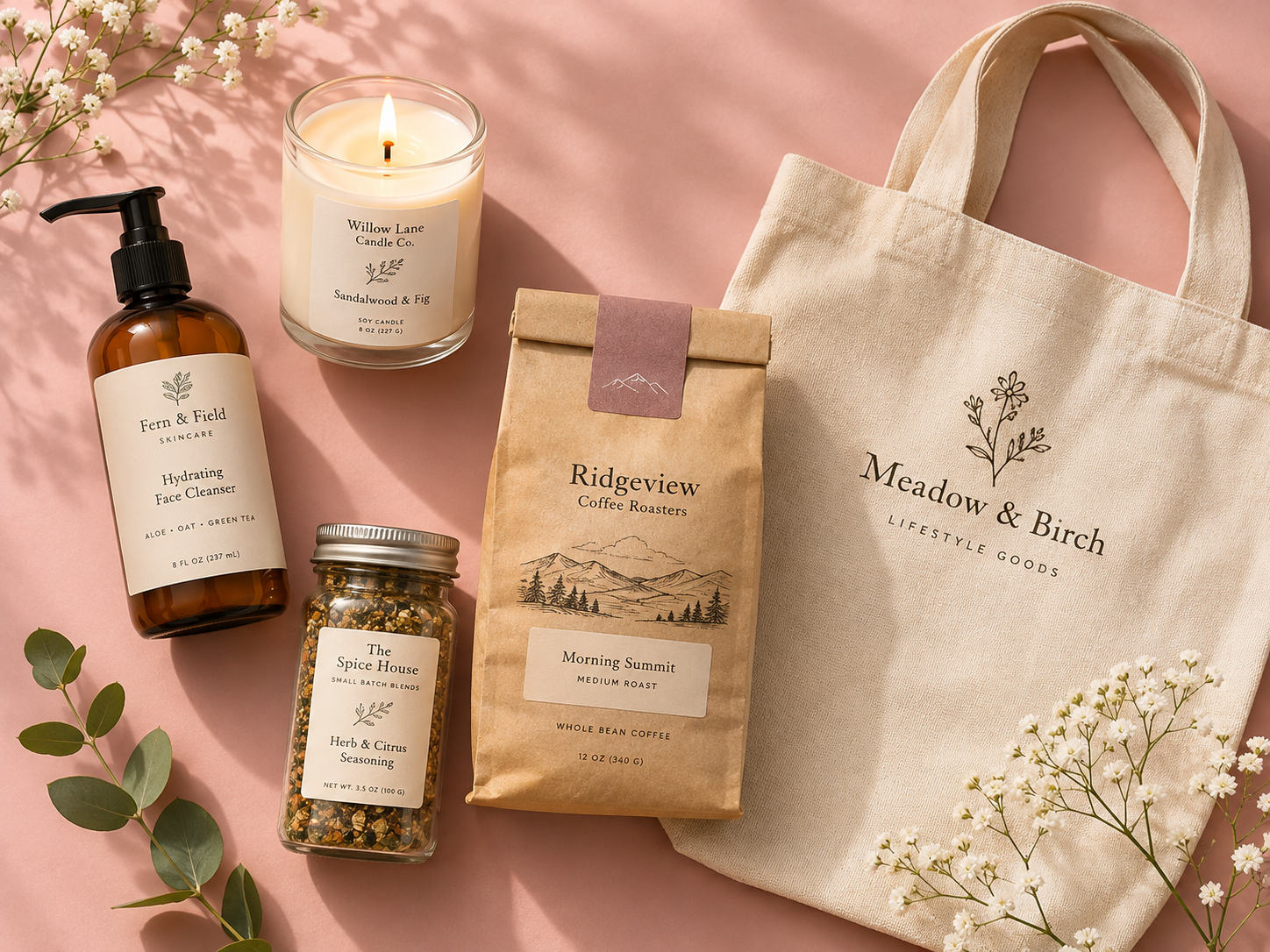
Every purchase is a small vote for the kind of world you want. When you buy from a woman-owned brand, your money helps a woman build something, hire other people and prove that her idea was worth backing. And many of the best ideas on store shelves started because a woman couldn’t find what she needed for herself, her body or her family.
Here are 25 women-founded and women-led brands worth supporting, across beauty, food, clothing, home and family, plus how to tell whether a brand is really women-owned and how to help without spending a cent.
None of these are affiliate links, and no brand paid to be here. We checked each founder’s current role in November 2026 using recent news and company sources. Ownership can change, and some brands have outside investors or male co-founders. We note that where it applies.
Why shopping women-owned matters
Women own a huge share of American businesses, but they still receive a small share of the money that flows through the economy.
- Women-owned businessesIn the U.S., per Wells Fargo’s 2025 reportOwners
- Of all U.S. firmsAre owned by womenShare
- Of business revenueGoes to women-owned businessesGap
- To all-female teamsVersus $191.1B to all-male teams in 2025Funding
Women are starting businesses faster than ever. According to the 2025 Impact of Women-Owned Businesses report commissioned by Wells Fargo, there were 14.5 million women-owned businesses in the U.S. in 2024, about 39% of all firms, and their numbers grew faster than men-owned businesses from 2019 to 2024. A Gusto survey found women started 49% of new businesses in 2024, up from 29% in 2019.
But the revenue and funding gaps are real. The same report found women-owned businesses account for only about 6% of total business revenue. And while startups with at least one female founder raised a record share of U.S. venture capital in 2025, PitchBook data shows all-female founding teams raised about $3.2 billion, compared with $191.1 billion for all-male teams. Much of the record for mixed teams came from a few giant AI companies.
That’s why every customer counts. When investors are slow to back women, loyal customers, good reviews and word of mouth can be what keeps a brand alive.
25 women-owned brands worth supporting
Tap a category to filter. Each card lists the founder or founders and their current role.
- Beauty & self-care
1.💄Tower 28 Beauty
Makeup and skincare made for sensitive skin. Founder Amy Liu, who has eczema, built it to follow the National Eczema Association’s ingredient guidelines.
Founded by: Amy Liu, founder and CEO
Visit site → - Beauty & self-care
2.🍉Glow Recipe
Fruit-powered skincare rooted in Korean skincare philosophy, best known for its watermelon toner and dew drops.
Founded by: Christine Chang and Sarah Lee, co-founders and co-CEOs
Visit site → - Beauty & self-care
3.🎨Live Tinted
Complexion and color-correcting makeup built for deeper and “tinted” skin tones, inspired by founder Deepica Mutyala’s viral makeup hack.
Founded by: Deepica Mutyala, founder and CEO
Visit site → - Beauty & self-care
4.🌿Kosas
Clean, comfortable makeup that started with four lipsticks and grew into a full line of skin-friendly complexion products.
Founded by: Sheena Yaitanes, founder and CEO
Visit site → - Beauty & self-care
5.🍞Bread Beauty Supply
Simple wash-day essentials for curly, coily and textured hair. Now part of a Black-owned beauty holding company.
Founded by: Maeva Heim, founder
Visit site → - Beauty & self-care
6.🍵Golde
Superfood latte blends and face masks made with ingredients like turmeric, matcha and mango.
Founded by: Trinity Mouzon Wofford, co-founder and CEO
Visit site → - Food & drink
7.🍪Partake Foods
Cookies and baking mixes free from the top nine allergens, created after founder Denise Woodard’s daughter was diagnosed with food allergies.
Founded by: Denise Woodard, founder and CEO
Visit site → - Food & drink
8.🍰Sweet Loren’s
Plant-based, allergen-friendly cookie dough and pie crusts from a founder who rethought food after surviving Hodgkin’s lymphoma at 22.
Founded by: Loren Brill Castle, founder and CEO
Visit site → - Food & drink
9.🫒Brightland
Olive oils, vinegars and honeys sourced from California farms, in bottles pretty enough to give as a gift.
Founded by: Aishwarya Iyer, founder and CEO
Visit site → - Food & drink
10.🌶️Diaspora Co.
Single-origin spices sourced directly from more than 140 farms, with a focus on paying farmers fairly.
Founded by: Sana Javeri Kadri, founder and CEO
Visit site → - Food & drink
11.🍜Fly By Jing
Sichuan chili crisp, sauces and noodles from a Chengdu-born chef who started with a Kickstarter campaign.
Founded by: Jing Gao, founder and CEO
Visit site → - Food & drink
12.☕Copper Cow Coffee
Vietnamese pour-over coffee and latte kits from a founder whose mother came to the U.S. as a refugee from Vietnam.
Founded by: Debbie Wei Mullin, founder and CEO
Visit site → - Clothing & bags
13.🎀AnaOno
Post-surgery bras and loungewear for breast cancer patients and survivors, designed by a founder diagnosed at 27.
Founded by: Dana Donofree, founder and CEO
Visit site → - Clothing & bags
14.👗Universal Standard
Wardrobe basics, workwear and swimwear in sizes 00 to 40, so every size shops the same collection.
Founded by: Polina Veksler, co-founder and CEO
Visit site → - Clothing & bags
15.👟Girlfriend Collective
Leggings, sports bras and activewear made from recycled materials like water bottles, in sizes XXS to 6XL.
Founded by: Ellie Dinh, co-founder (with Quang Dinh)
Visit site → - Clothing & bags
16.👚ThirdLove
Bras, underwear and loungewear in a wide range of sizes, including half-cup sizes and a new menopause-focused line.
Founded by: Heidi Zak, co-founder and CEO
Visit site → - Clothing & bags
17.👜Dagne Dover
Functional bags, backpacks and diaper bags designed by three women who built the brand without venture capital.
Founded by: Melissa Mash, Deepa Gandhi and Jessy Dover, co-founders
Visit site → - Clothing & bags
18.👢Brother Vellies
Handmade shoes and bags crafted with artisans, from the founder of the Fifteen Percent Pledge.
Founded by: Aurora James, founder
Visit site → - Home
19.🍳Our Place
Cookware like the Always Pan, made with a nonstick coating free of PFAS, plus dinnerware for gathering.
Founded by: Shiza Shahid, co-founder (with Amir Tehrani)
Visit site → - Home
20.🧼Blueland
Refillable cleaning products and tablets that cut single-use plastic, started after the founder became a mom.
Founded by: Sarah Paiji Yoo, co-founder and CEO
Visit site → - Home
21.🛏️Parachute
Bedding, bath and home essentials designed for comfort, from linen sheets to cozy robes.
Founded by: Ariel Kaye, founder and CEO
Visit site → - Health & family
22.💊Ritual
Traceable vitamins and supplements for women at every life stage, started when the founder was pregnant.
Founded by: Katerina Schneider, founder and CEO
Visit site → - Health & family
23.🍼Bobbie
Organic infant formula made in Ohio, from a founder who is a mom of four.
Founded by: Laura Modi, co-founder and CEO
Visit site → - Health & family
24.🧸Lovevery
Stage-based play kits and toys grounded in child development research, for babies through preschoolers.
Founded by: Jessica Rolph, co-founder and CEO
Visit site → - Health & family
25.🤰Kindred Bravely
Comfortable maternity, nursing and postpartum clothing and bras, made with real moms in mind.
Founded by: Deeanne Akerson, co-founder
Visit site →
A few notes on the list
- Co-founders: Our Place, Girlfriend Collective, Blueland, Lovevery, Kindred Bravely and ThirdLove were co-founded by a woman and a man. We’ve included them because a woman founded and leads or co-leads each one.
- Bread Beauty Supply was acquired in 2025 by Cost of Doing Business (CODB), a Black-owned beauty holding company created by Topicals founder Olamide Olowe.
- Universal Standard co-founder Alexandra Waldman stepped away to focus on cancer treatment and has since died. Co-founder Polina Veksler leads the brand.
- Investors: many of these brands have raised venture funding, so “women-founded and women-led” is more accurate than “100% women-owned.”
Brands built from hard seasons
At Pink in Progress, we coach women through cancer, motherhood, grief and big life changes. Some of our favorite stories on this list began in exactly those seasons.
AnaOno: lingerie after breast cancer
Dana Donofree was diagnosed with breast cancer in her twenties. After a mastectomy and reconstruction, traditional bras no longer fit, and she couldn’t find anything beyond sports bras and camisoles. So the fashion designer made her own. AnaOno now designs bras for many different surgery outcomes, including lumpectomy, mastectomy, flat closure and reconstruction, and has been carried by retailers including Victoria’s Secret and Soma. AnaOno also points out that many patients don’t know mastectomy bras may be covered by insurance after surgery, so it’s worth asking.
Sweet Loren’s: cookies after Hodgkin’s lymphoma
Loren Brill Castle was diagnosed with Hodgkin’s lymphoma at 22. After treatment, she started paying close attention to how food made her feel, but couldn’t find sweets made with simple ingredients. She started Sweet Loren’s in 2011, and the brand’s allergen-friendly cookie dough is now sold in tens of thousands of stores.
Partake: snacks after a scary allergy diagnosis
When Denise Woodard’s daughter had a frightening allergic reaction around her first birthday, Woodard went looking for safe snacks and didn’t love what she found. Partake’s cookies are free from the top nine allergens, and Woodard became the first Black woman to raise over $1 million for a packaged food company.
Bobbie, Ritual and Blueland: ideas born in early motherhood
Laura Modi started Bobbie while searching for a formula she felt good about for her first child. Katerina Schneider started Ritual while pregnant and frustrated with prenatal vitamins. Sarah Paiji Yoo started Blueland after becoming a mom and researching what was in her home. Each turned a personal frustration into a company.
If you’re in a hard season right now, these stories are a reminder that the hardest chapters can also be the beginning of something. Our post on finding your pink more than once talks more about that.
Gift ideas by person
Women-owned brands make it easy to give a gift with a story behind it. Here are a few pairings:
Want more ideas? Try our guides to care package ideas for women going through a hard time and subscription boxes that make thoughtful gifts.
Is it really women-owned?
“Women-owned” can mean different things. A brand may have been founded by a woman but later sold to a larger company or a private equity firm. Others are co-founded by women and men, or have raised money from investors who now own a large share.
- A woman started the company
- She may have sold it, stepped back or brought in investors
- Her story is still part of the brand
- Many brands on this list are co-founded with men
- Women hold at least 51% and control the business (the standard WBENC uses)
- Certification involves documents and a site visit
- Common for small and local businesses
- Look for the “Women Owned” logo or a WBE seal
Both matter. Founder-led brands shape what gets made, and majority ownership decides who benefits.
The most widely recognized standard in the U.S. comes from the Women’s Business Enterprise National Council (WBENC), which certifies businesses that are at least 51% owned, controlled, operated and managed by one or more women. Certification involves a review of business documents and a site visit. Many smaller brands are women-owned without being certified, since the process takes time and is mostly used to win corporate and government contracts.
Questions to ask
- Who founded it, and is she still involved?
- Who runs it today? Look for the CEO on the brand’s About page or LinkedIn.
- Has it been acquired? A quick search of the brand name plus “acquired” usually tells you.
- Is it certified? Look for a WBENC seal or the “Women Owned” logo.
A brand that was sold isn’t a bad brand, and the founder may have earned a well-deserved payday. But if your goal is to put money directly into women-led businesses, it’s worth checking.
How to find more women-owned brands
- 🏷️LabelsLook for the label
Some retailers and marketplaces let you filter for women-owned brands, and certified businesses may use a “Women Owned” logo.
- 🔍ResearchRead the About page
Most founder-led brands tell their story. If the founder isn’t mentioned anywhere, dig a little deeper.
- 🛍️In storesCheck the shelf tags
Some retailers highlight founder-led or diverse-owned brands online and in stores.
- 🤝CommunityAsk your circle
Ask friends for their favorite women-owned brands. You’ll get great, honest recommendations.
- 🏠LocalStart local
Farmers markets, craft fairs and small-business Saturdays are full of women-owned businesses.
- 📰MediaFollow the founders
Podcasts and business newsletters often spotlight women founders and their new brands.
Ways to help that cost nothing
You don’t need to spend money to support a woman-owned business. Some of the most valuable help is free.
- Leave a review on the brand’s site or wherever you bought it. Reviews help small brands more than you’d think.
- Share what you love in a post, a story or a group chat. Word of mouth is free marketing.
- Ask your local store to carry a brand you love. Retailers listen to customer requests.
- Follow and engage with founders on social media, especially when they share their story.
- Shop women-owned close to home, like your local bakery, bookstore, salon or boutique.
A five-star review and a recommendation to a friend can matter as much as a purchase.
Easy everyday swaps
Supporting women-owned brands doesn’t have to mean buying more. Often it just means buying differently. The next time you run out of something you already use, try a swap:
- Olive oil or spices: try Brightland or Diaspora Co. instead of your usual grocery store brand.
- Morning coffee: keep a box of Copper Cow pour-overs at your desk or in your travel bag.
- Cleaning spray: refill a Blueland bottle with tablets instead of buying new plastic bottles.
- Leggings and sports bras: when your old pair wears out, look at Girlfriend Collective or Universal Standard.
- Makeup and skincare: when you finish a product, replace it with one from a woman-founded brand you’ve wanted to try.
- Snacks for school or work: stock up on Partake cookies, especially if anyone in your house has food allergies.
One swap a month adds up to a dozen purchases a year that go to women-led companies, without changing your budget at all.
Shopping women-owned for the holidays
The holiday season is when small brands make a big share of their sales, and when your choices can matter most. A few tips:
- Order early. Smaller brands may have limited stock and longer shipping times, especially in December.
- Build a themed gift box. Combine a few items from different women-owned brands, like chili crisp, spices and olive oil for a cook.
- Share your gift list. If friends ask what you want, point them to brands from this list.
- Tell the story. Add a note about the founder. It makes the gift more meaningful and spreads the word.
Don’t forget local
The national brands on this list are wonderful, but some of the women who need your support most are right down the street. Think about the woman who runs your favorite coffee shop, the hairstylist who listens to your stories, the bakery that made your kid’s birthday cake and the boutique owner who remembers your name.
- Book directly with salons, spas and fitness studios instead of through third-party apps, when you can.
- Buy gift cards from local women-owned shops for birthdays and holidays.
- Hire women-owned services, like cleaners, photographers, bookkeepers, designers and coaches.
- Show up to their events, classes and pop-ups, and bring a friend.
Small purchases add up. A local business with a few loyal regulars can survive a slow season that would close it otherwise.
If you’re dreaming of your own
Maybe reading these stories stirs something in you, too. Many of these founders started with a problem in their own lives: a body that changed after surgery, a child with allergies, skin that didn’t match any foundation. Their first products were often made in kitchens and garages.
- Start with a problem you know well. Your own frustration might be shared by thousands of other women.
- Start small. Many of these brands began with one product, a Kickstarter or a few hundred dollars in savings.
- Find your people. Women’s business centers, SBA resources and founder communities can help with the early steps.
- Take care of yourself along the way. Building something is exciting and exhausting. Your health matters, too.
And if you need encouragement to take the first step, that’s exactly what our circles are for.
Need help getting the word out about your brand? Pink in Progress is built by Ritner Digital, the independent digital marketing practice led by Cara Bunda and the brains behind this site. Ritner Digital helps businesses get found in Google, AI search and social, with SEO, content, digital PR and web design. If you run a women-owned brand and want more people to find it, say hello to Cara.
When one woman succeeds, she makes room for the next. Every purchase, review and recommendation helps.
Sources
- Wells Fargo & WIPP (2025): The Impact of Women-Owned Businesses 2025 Report
- MBE Magazine: Women-owned businesses growing fast but face a revenue gap
- Founder Reports: Female entrepreneur statistics (Gusto 2025 data)
- PitchBook via Business Wire (2026): AI megadeals and capital concentration define 2025 for female founders
- Refresh Miami (2026): Female funding sets a record, but there’s more to the story
- WBENC: Certification eligibility
- Living Beyond Breast Cancer: Dana Donofree, founder and CEO of AnaOno
- Technical.ly (2025): How a fashion designer turned her diagnosis into a lingerie brand
- Fortune (2025): Sweet Loren’s CEO on beating cancer and building a cookie brand
- WeWork: Denise Woodard and Partake Foods
- Second Life podcast: Denise Woodard, founder and CEO of Partake Foods
- USC Marshall: Amy Liu and Tower 28
- WWD (2026): Christine Chang and Sarah Lee, co-CEOs of Glow Recipe
- CB Insights (2026): Live Tinted and founder Deepica Mutyala
- NewBeauty: Kosas founder Sheena Yaitanes
- Essence (2025): CODB acquires Bread Beauty Supply
- Well+Good: Trinity Mouzon Wofford and Golde
- Nosh (2026): Brightland CEO and founder Aishwarya Iyer
- Fortune (2025): Sana Javeri Kadri and Diaspora Co.
- Entrepreneur (2026): Jing Gao and Fly By Jing
- U.S. Chamber of Commerce: Debbie Wei Mullin and Copper Cow Coffee
- Retail Dive: Universal Standard CEO Polina Veksler
- FemFounded: Girlfriend Collective case study
- Glossy (2026): ThirdLove expands its menopause-focused line
- Inside Retail (2025): Melissa Mash and Dagne Dover
- Wikipedia: Aurora James and Brother Vellies
- Elle Decoration: Our Place co-founder Shiza Shahid
- Blueland: About us
- eMarketer: Ariel Kaye on building Parachute
- Beauty Independent (2026): Ritual expands at Walmart
- Bobbie via Business Wire (2026): Bobbie celebrates 1 million babies fed
- Lovevery via Business Wire (2026): Lovevery introduces the Math Skill Set
- How’d She Do That? podcast: Deeanne Akerson, co-founder of Kindred Bravely
This article is for general information and isn’t medical advice. Talk with your doctor or midwife about what’s right for you.
- Women-owned brands
- Women-owned businesses
- Gift ideas
- Female founders
- Shop small
Women lifting women. That’s the whole idea.
Looking for encouragement, accountability and women who get it? Tell us a little about you and we’ll reply within two business days.
Questions
Good questions.
What does women-owned mean?
A certified women-owned business is usually at least 51% owned and controlled by one or more women. WBENC, the most widely recognized certifier, also requires that women manage and operate the business. Many brands are women-founded or women-led without being certified.
What are some women-owned beauty brands?
Tower 28 (Amy Liu), Glow Recipe (Christine Chang and Sarah Lee), Live Tinted (Deepica Mutyala), Kosas (Sheena Yaitanes), Bread Beauty Supply (Maeva Heim) and Golde (Trinity Mouzon Wofford) are all founded and led by women.
What are some women-owned food brands?
Partake Foods, Sweet Loren’s, Brightland, Diaspora Co., Fly By Jing and Copper Cow Coffee were all founded by women who still lead them.
Are there women-owned brands for breast cancer survivors?
Yes. AnaOno makes post-surgery bras and loungewear, founded by breast cancer survivor Dana Donofree. Sweet Loren’s founder Loren Brill Castle is a Hodgkin’s lymphoma survivor.
How can I tell if a brand is really women-owned?
Check who founded it, who runs it today, whether it has been acquired, and whether it has a WBENC or Women Owned certification. A quick search of the brand plus “acquired” often answers the question.
Why do women-owned businesses need support?
Women own about 39% of U.S. businesses but receive only about 6% of business revenue, and all-female founding teams receive a small fraction of venture funding. Customer loyalty and word of mouth help close that gap.
How can I support women-owned businesses without spending money?
Leave reviews, share brands you love, ask local stores to carry them, follow and engage with founders on social media, and recommend them to friends.
Are these affiliate links?
No. We don’t earn anything from purchases, and no brand paid to be included.
What are good women-owned gifts for a new mom?
Bobbie formula, a Lovevery play kit, Kindred Bravely nursing clothes, a Dagne Dover diaper bag or a Blueland cleaning kit all come from women-founded brands.
Who is behind Pink in Progress?
Pink in Progress is a women’s health and coaching community built by Ritner Digital, the independent digital marketing practice led by Cara Bunda. If you’d like to join a circle, you can sign up on our homepage, and if you run a brand and want help getting found, you can reach Cara at ritnerdigital.com.
Keep reading
 Friendship
 Friendship
 Life & culture